Knowledge
The energy stack, defined.
Plain definitions of the protocols, systems and standards behind buildings, charging, data centers and the grid: what each one is, how it works and where it meets Voltra.
01 Protocols
Protocols
How chargers, meters, inverters and building controllers talk to software, and to each other.
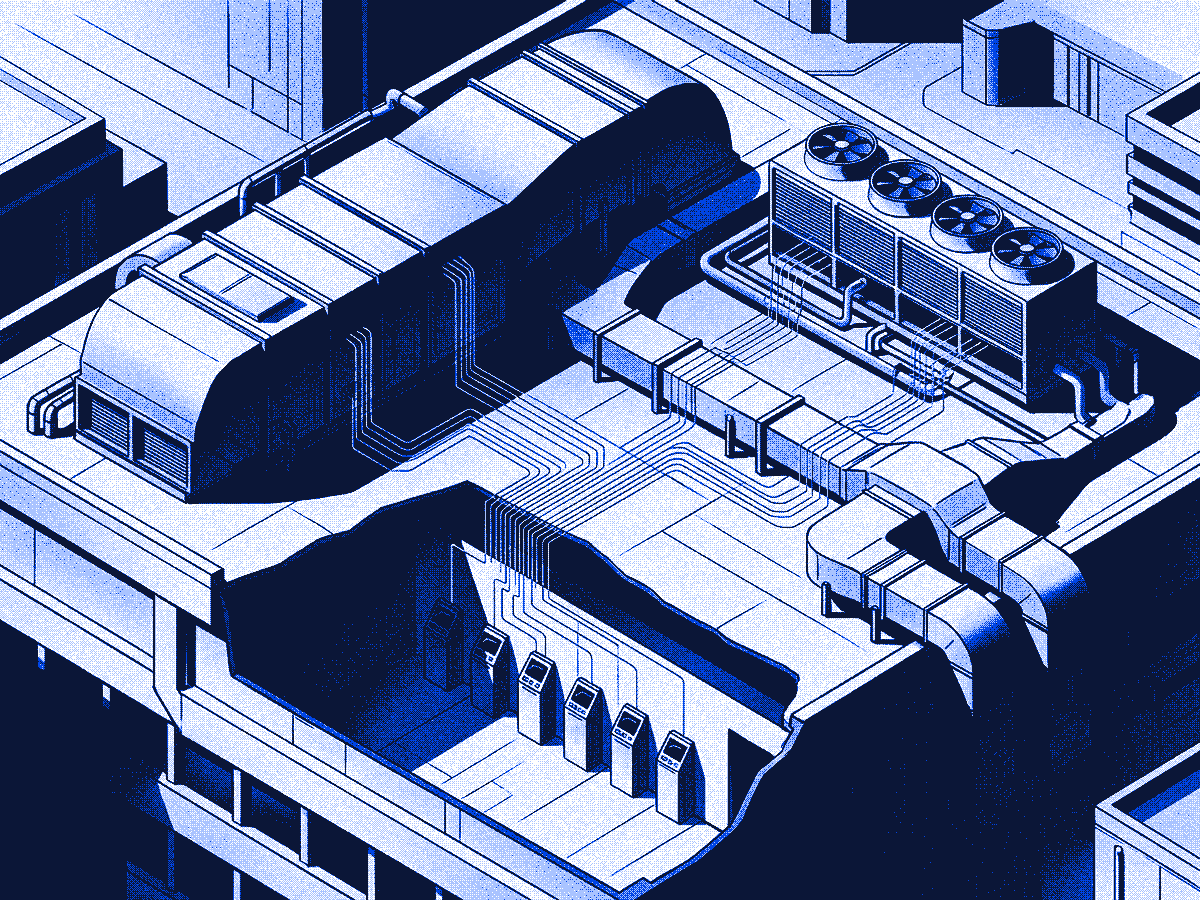
Building Automation and Control Networks
What is BACnet?
BACnet (Building Automation and Control Networks) is the open data communication protocol for building automation, published by ASHRAE as Standard 135 since 1995 and as ISO 16484-5. It defines how controllers for heating, cooling, lighting, access and metering describe their data as objects and exchange it, so equipment from different manufacturers can work in one building system.
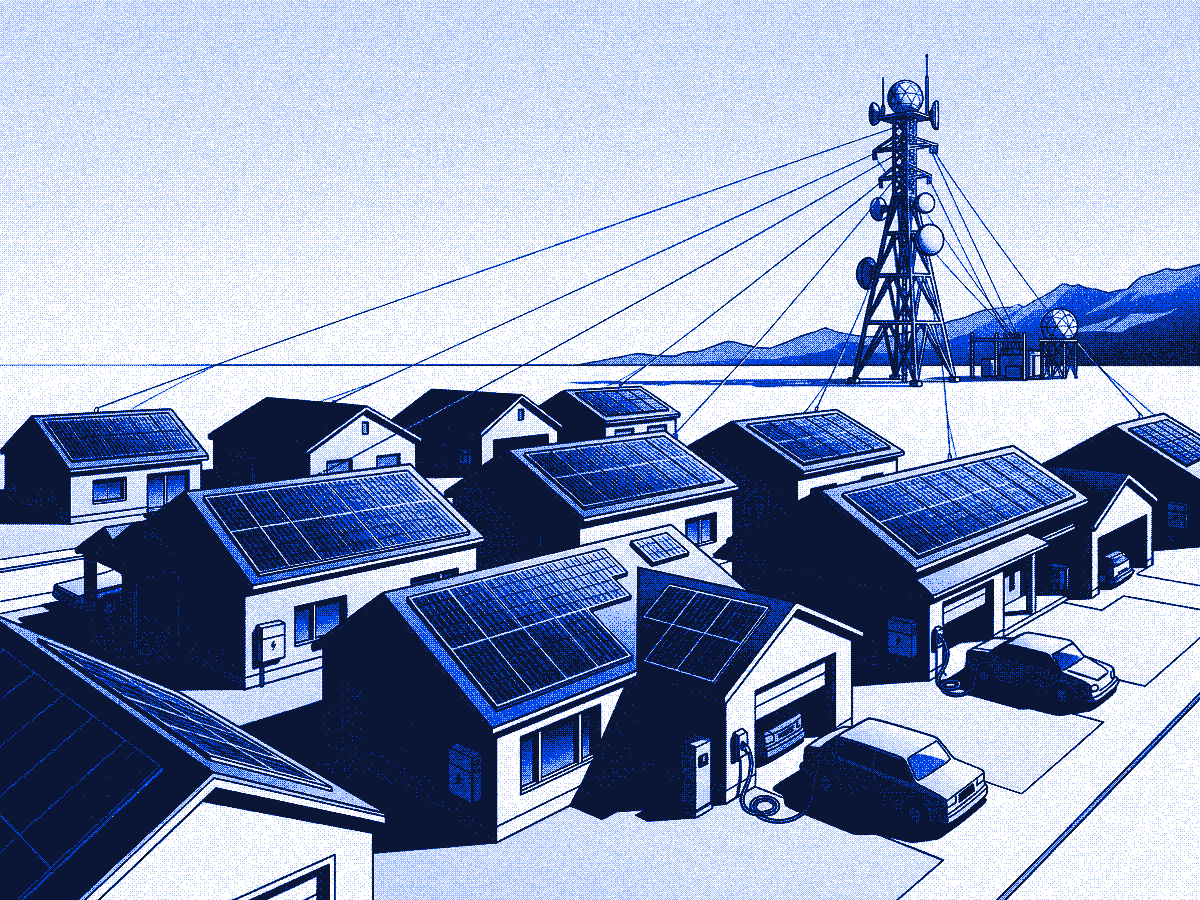
IEEE 2030.5 Smart Energy Profile
What is IEEE 2030.5?
IEEE 2030.5 is an IEEE standard application protocol that lets a utility’s systems talk to distributed energy resources such as solar inverters, batteries and EV chargers, directly or through an aggregator. Based on Smart Energy Profile 2.0, it uses web technology, REST over HTTPS with certificates, to send DER controls, pricing and demand response events and to collect status and meter data.
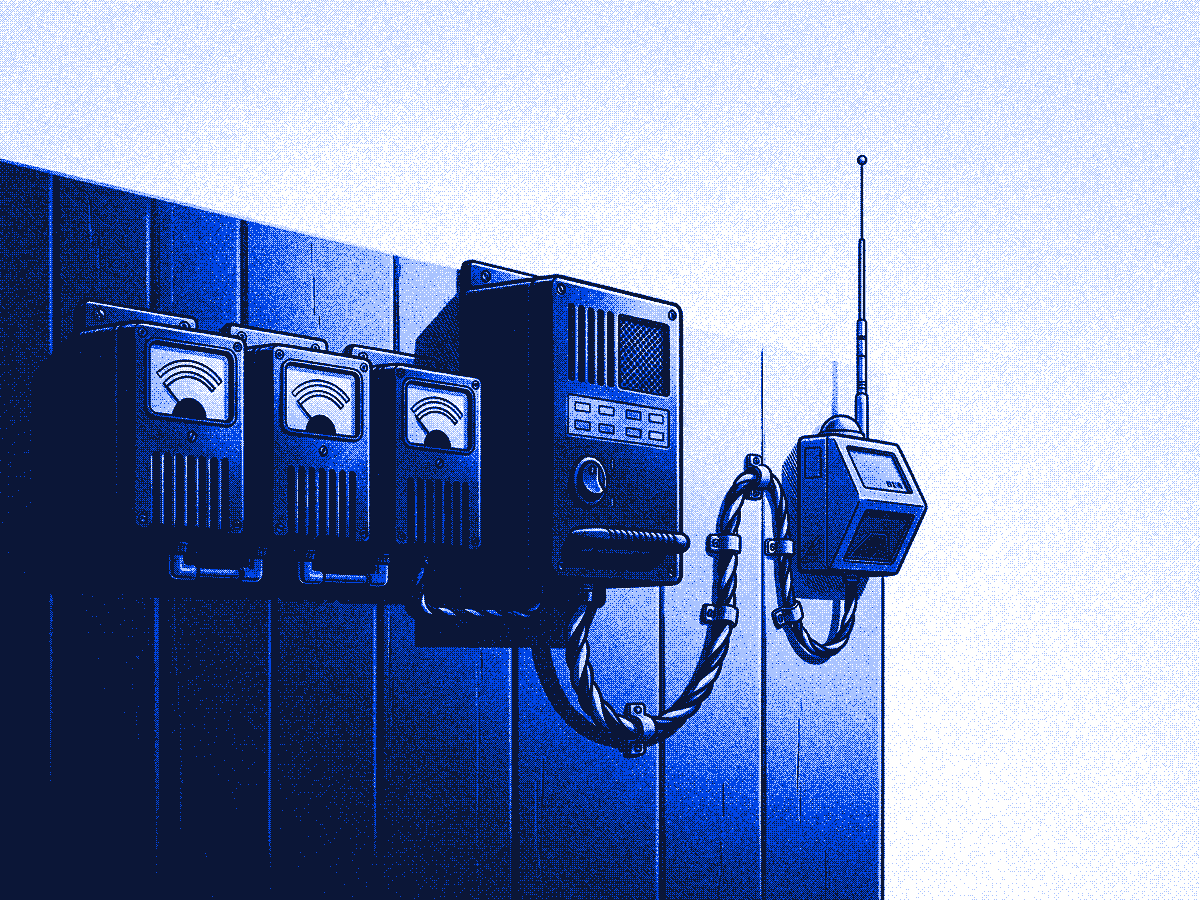
Modbus protocol
What is Modbus?
Modbus is a simple request-and-response protocol for reading and writing values in industrial devices. Published by Modicon in 1979 for its programmable logic controllers, it is now an open specification maintained by the Modbus Organization used by meters, inverters, batteries, drives and generators. Data is exchanged as numbered registers and coils over serial lines (Modbus RTU) or Ethernet (Modbus TCP).
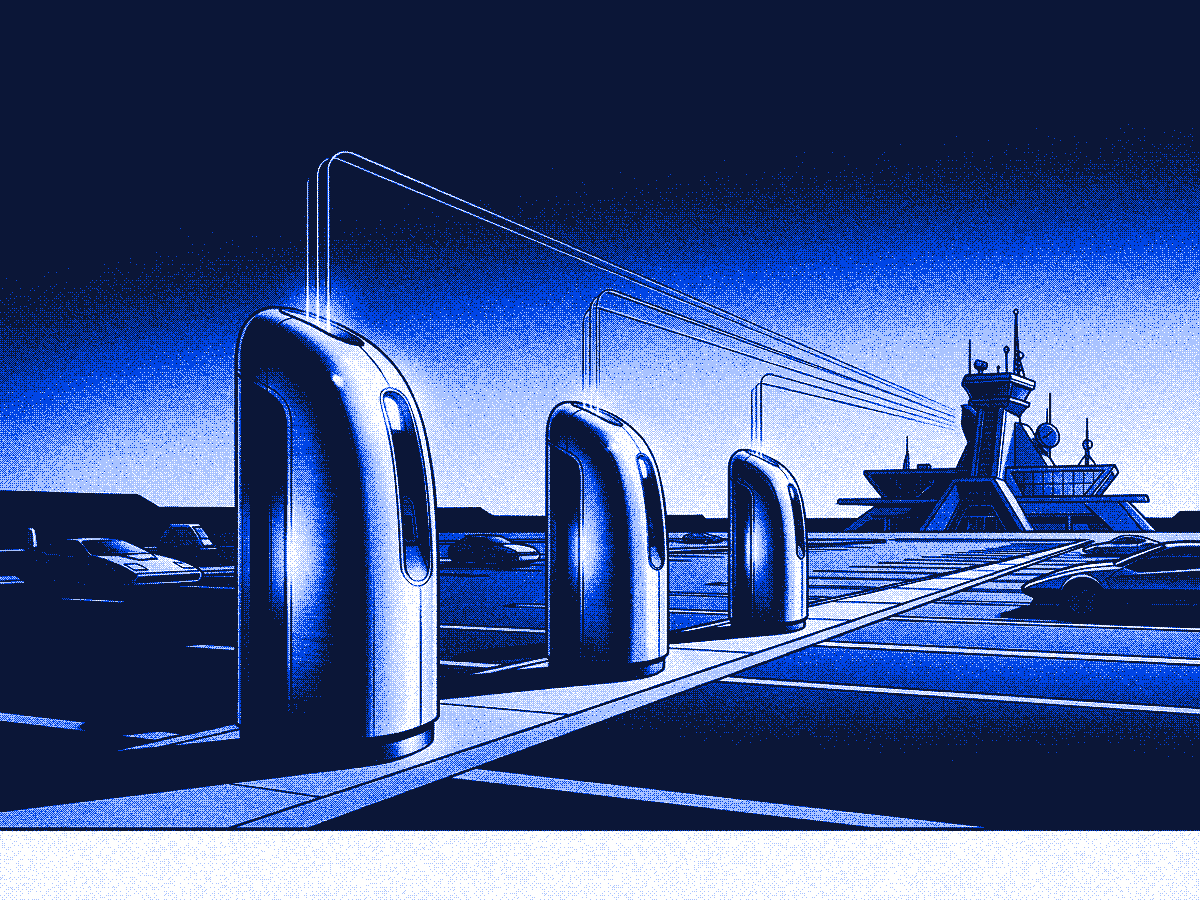
Open Charge Point Protocol 1.6
What is OCPP 1.6?
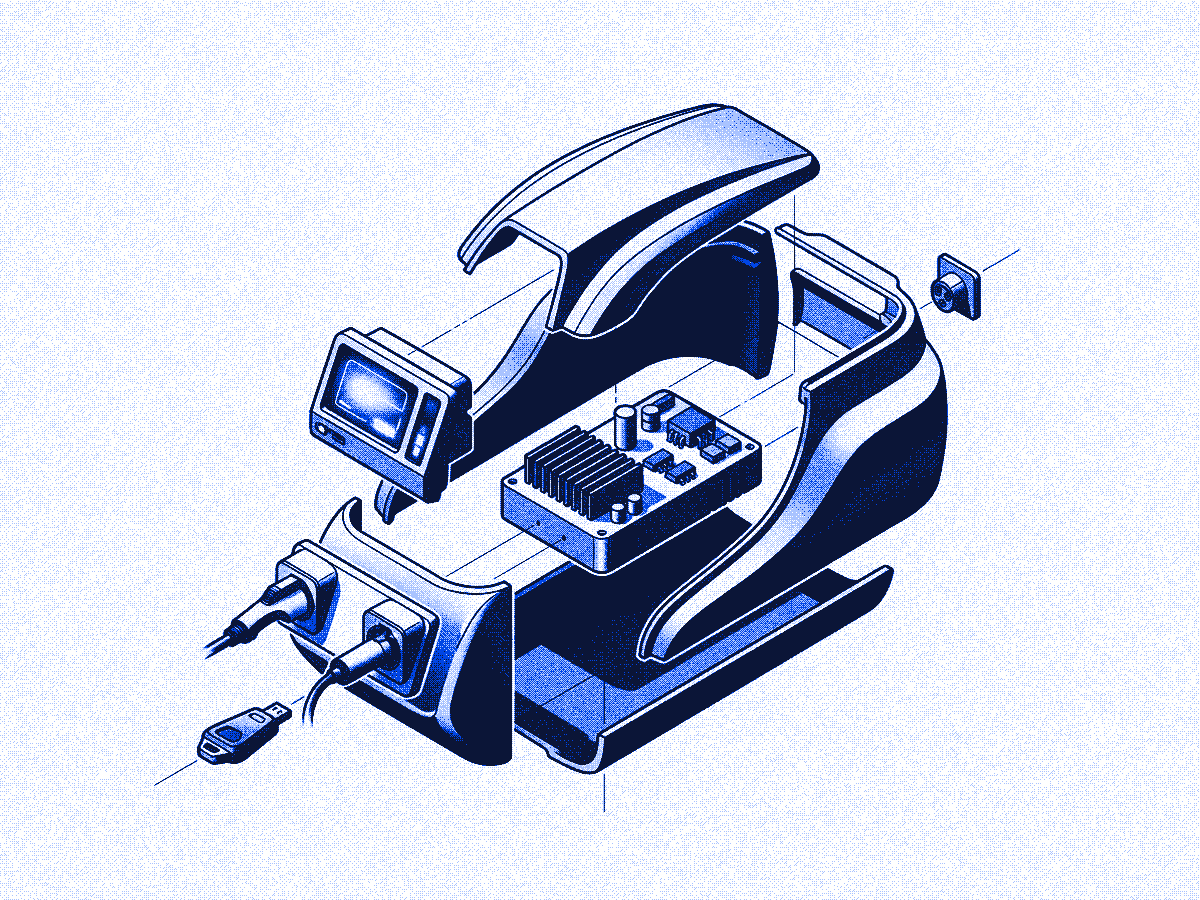
OCPP 1.6 is version 1.6 of the Open Charge Point Protocol, the open standard from the Open Charge Alliance that lets an EV charger talk to the central software that runs it. Released in 2015, it covers starting and stopping sessions, authorizing drivers, reporting meter values and status, remote commands, firmware updates and smart charging limits. It is the most widely deployed OCPP version.
Open Charge Point Protocol 2.0.1
What is OCPP 2.0.1?
OCPP 2.0.1 is the 2020 version of the Open Charge Point Protocol, the Open Charge Alliance standard for communication between EV chargers and the software that manages them. It replaces OCPP 1.6’s flat configuration with a structured device model, builds security into the protocol, supports ISO 15118 Plug & Charge and reports every session as a stream of transaction events.
Open Automated Demand Response
What is OpenADR?
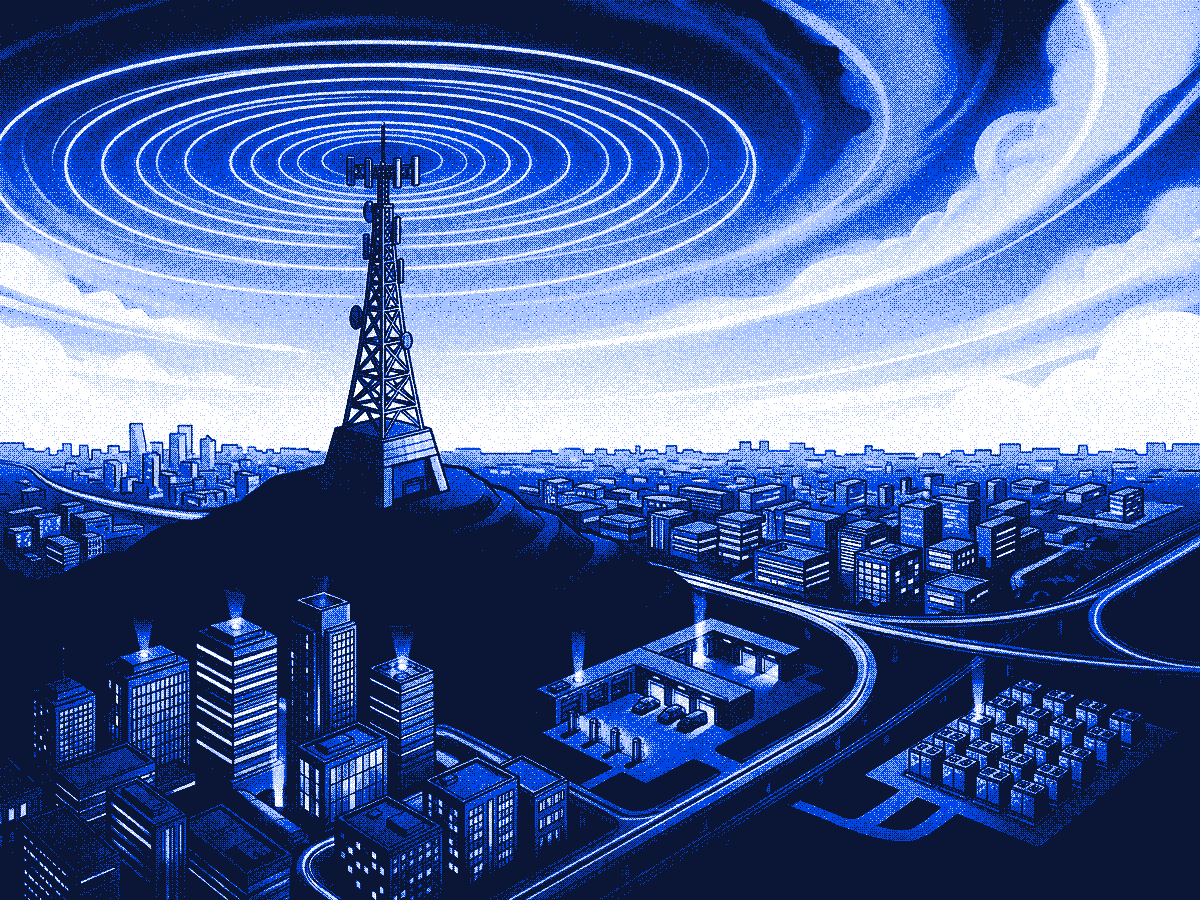
OpenADR (Open Automated Demand Response) is an open standard for sending demand response signals, such as events, prices and load targets, from a utility or grid operator to customer sites and aggregators, and for collecting reports back. It lets a building, charging site or battery react to a grid event automatically, without someone on site taking a phone call. It is maintained by the OpenADR Alliance.
02 Energy systems
Energy systems
The software and control layers that run buildings, sites and the equipment inside them.
Building management system
What is BMS?
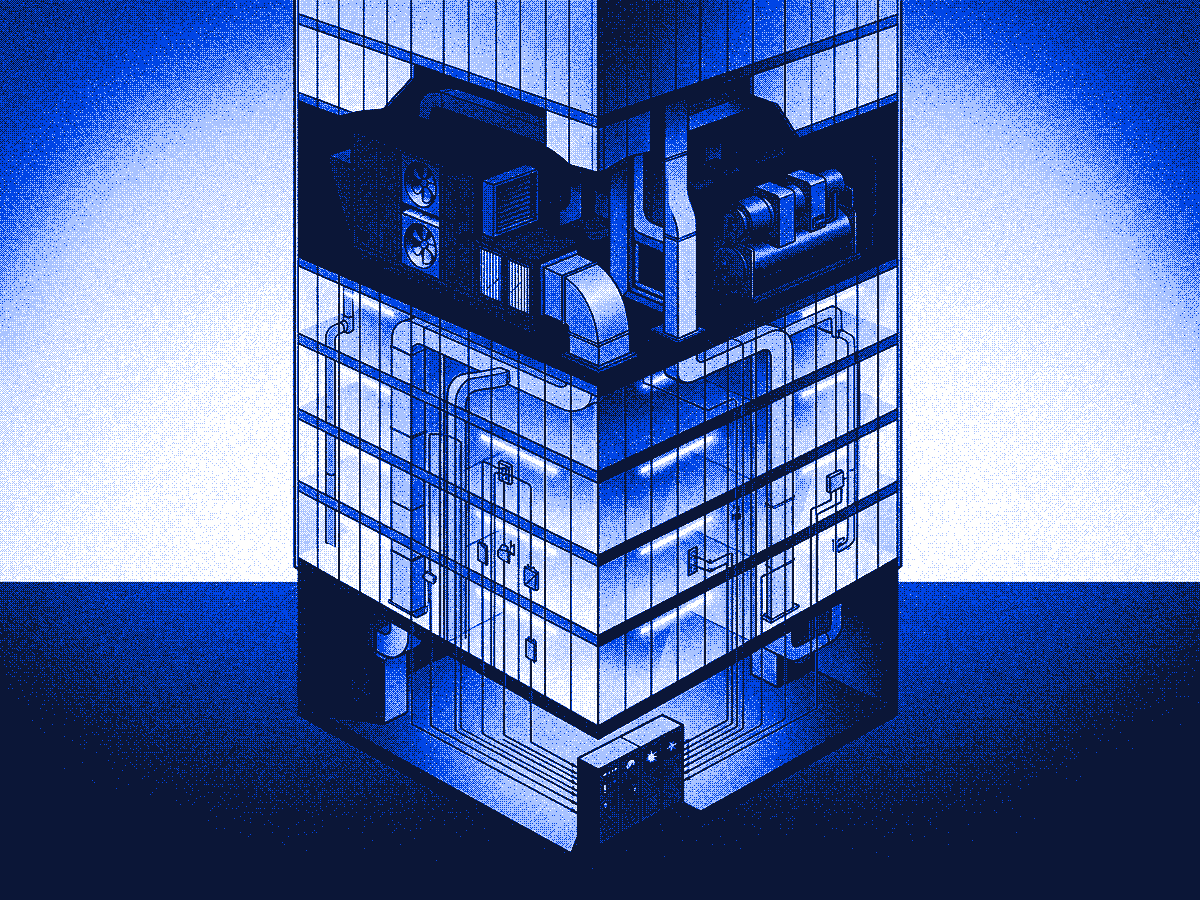
A building management system (BMS) is the control system that runs a building’s mechanical and electrical equipment: heating, cooling, ventilation, lighting and often metering. It reads sensors, runs control sequences and schedules, raises alarms and gives operators one place to see and change how the building behaves.
Energy management system
What is EMS?
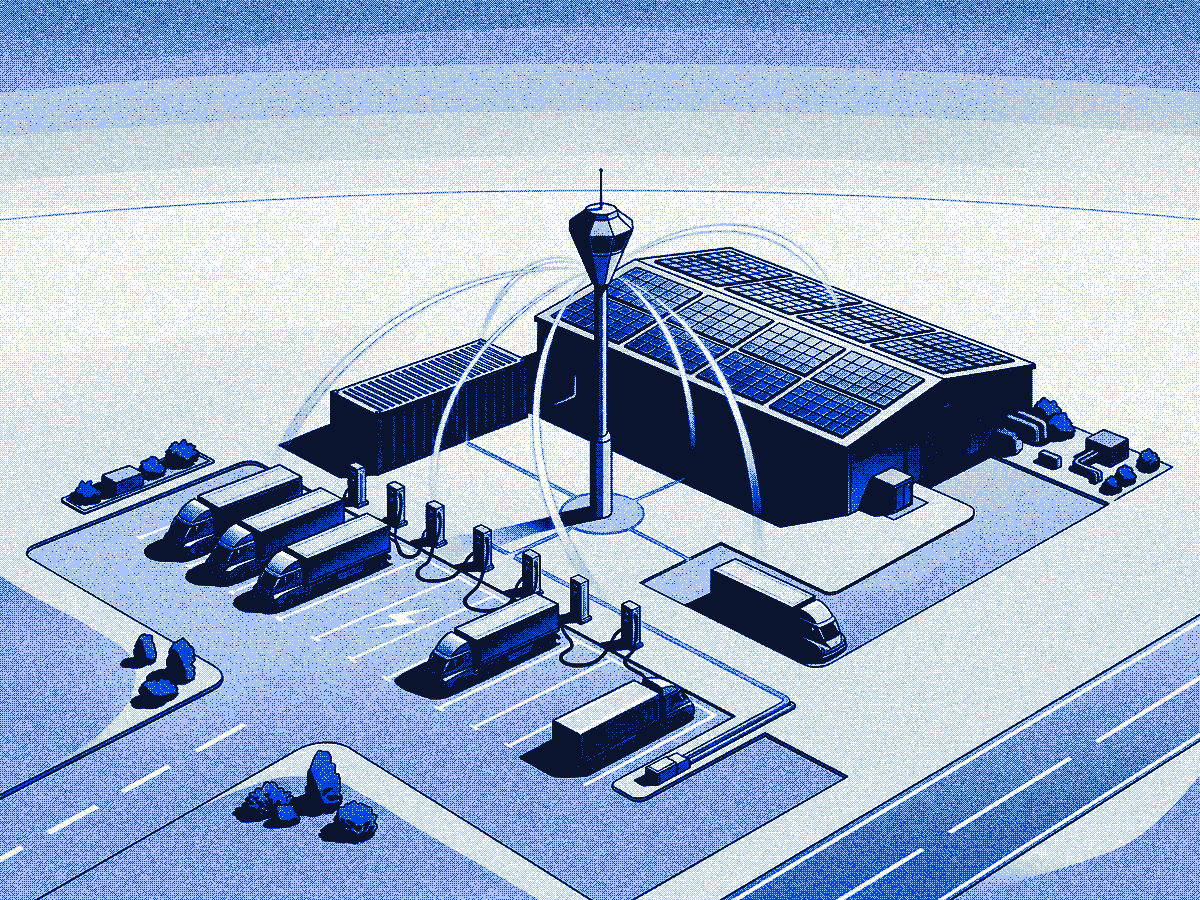
An energy management system (EMS) is software, often with on-site control, that measures how a site produces, stores and uses electricity and decides how its equipment should run to cut cost, stay within limits or support the grid. A site EMS coordinates solar, batteries, EV chargers, generators and large loads against tariffs, forecasts and the site’s electrical capacity.
03 Data center
Data center
Power, cooling and capacity from the utility service down to the rack.
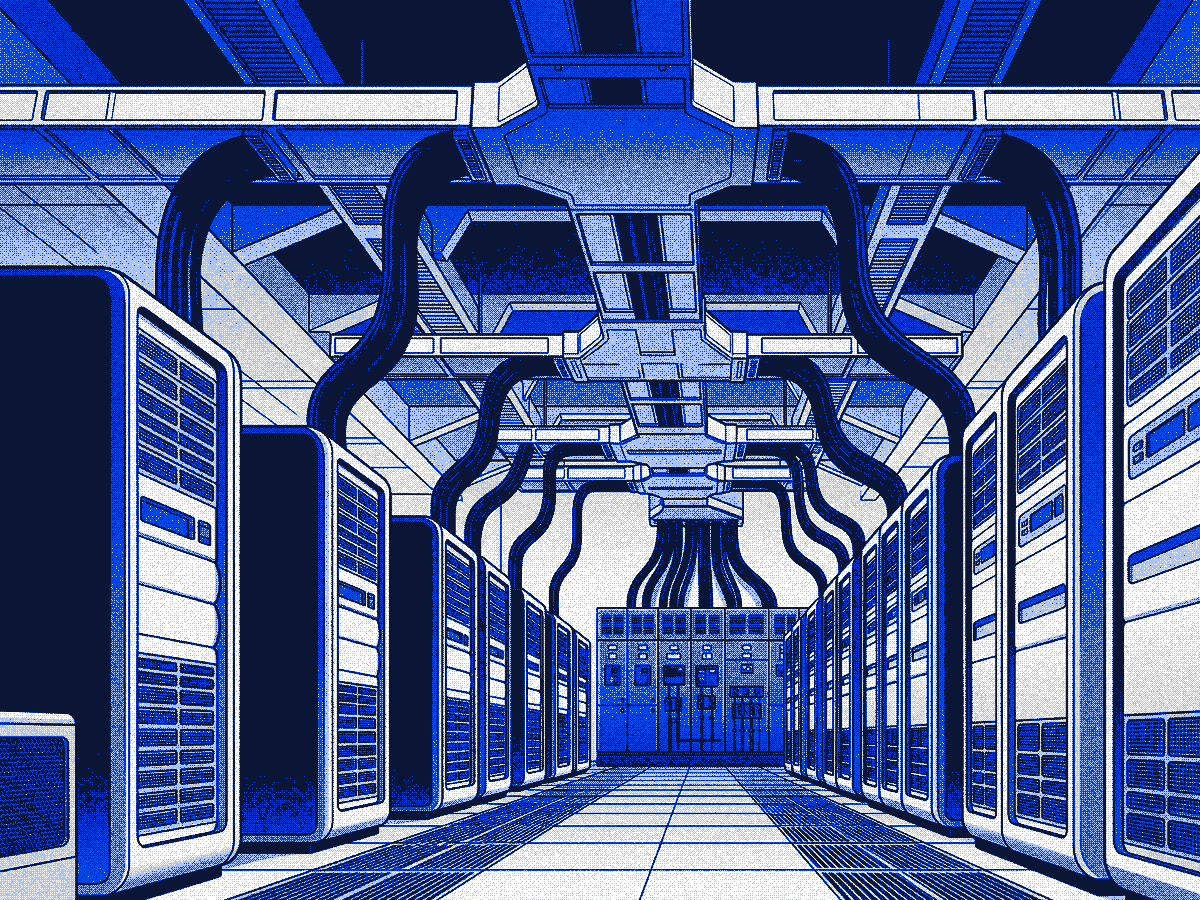
Data center infrastructure management
What is DCIM?
Data center infrastructure management (DCIM) is software that tracks and monitors a data center’s physical infrastructure: the power chain from the utility service to each rack, cooling, space and the assets installed in it. Operators use it to see live load and headroom, plan where new equipment can go and keep the facility inside its power and cooling limits.
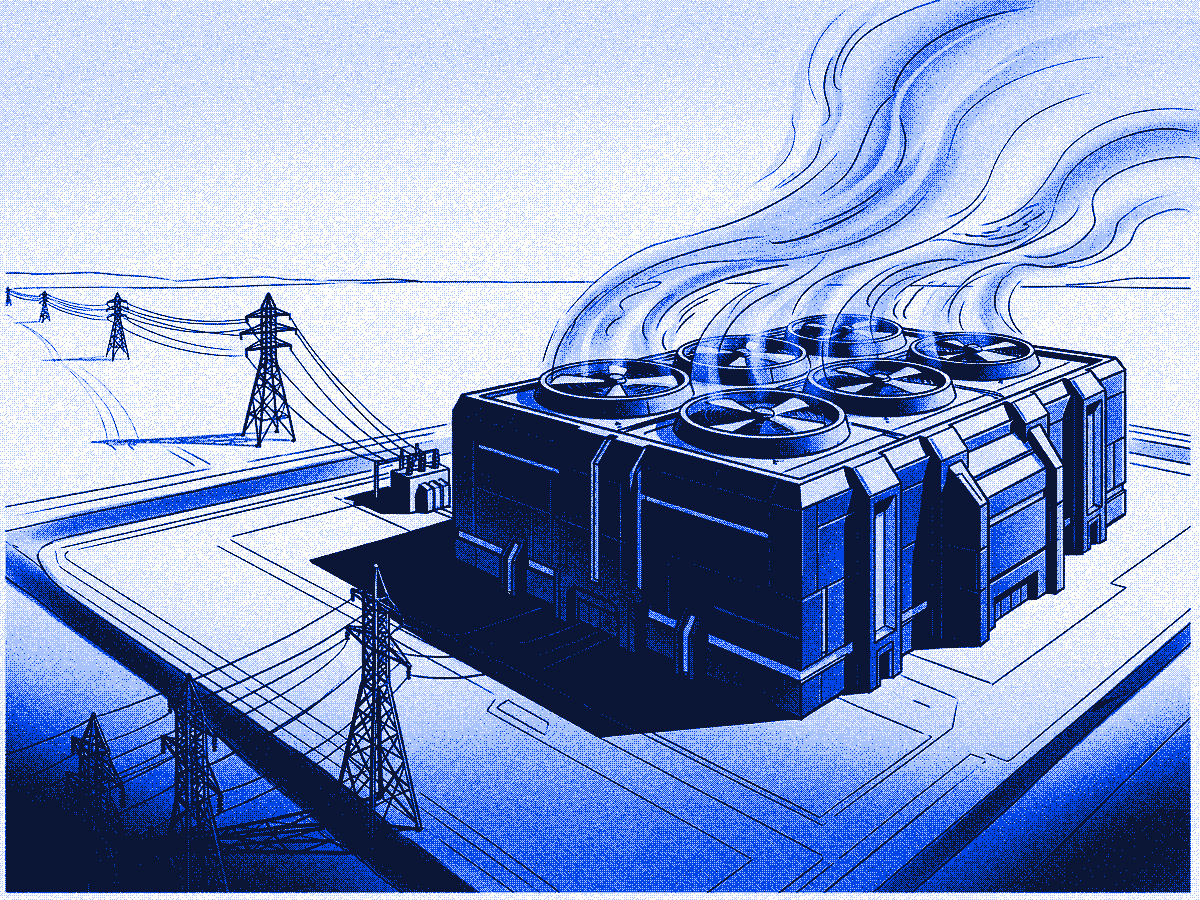
Power usage effectiveness
What is PUE?
Power usage effectiveness (PUE) is the standard measure of data center energy efficiency: the total energy a facility uses divided by the energy used by its IT equipment. A PUE of 1.0 would mean every kilowatt-hour reaches the servers, storage and network; a PUE of 1.5 means half as much again is spent on cooling, power conversion and lighting.
04 EV charging
EV charging
Charging hardware, the networks that run it and how vehicles meet the grid.
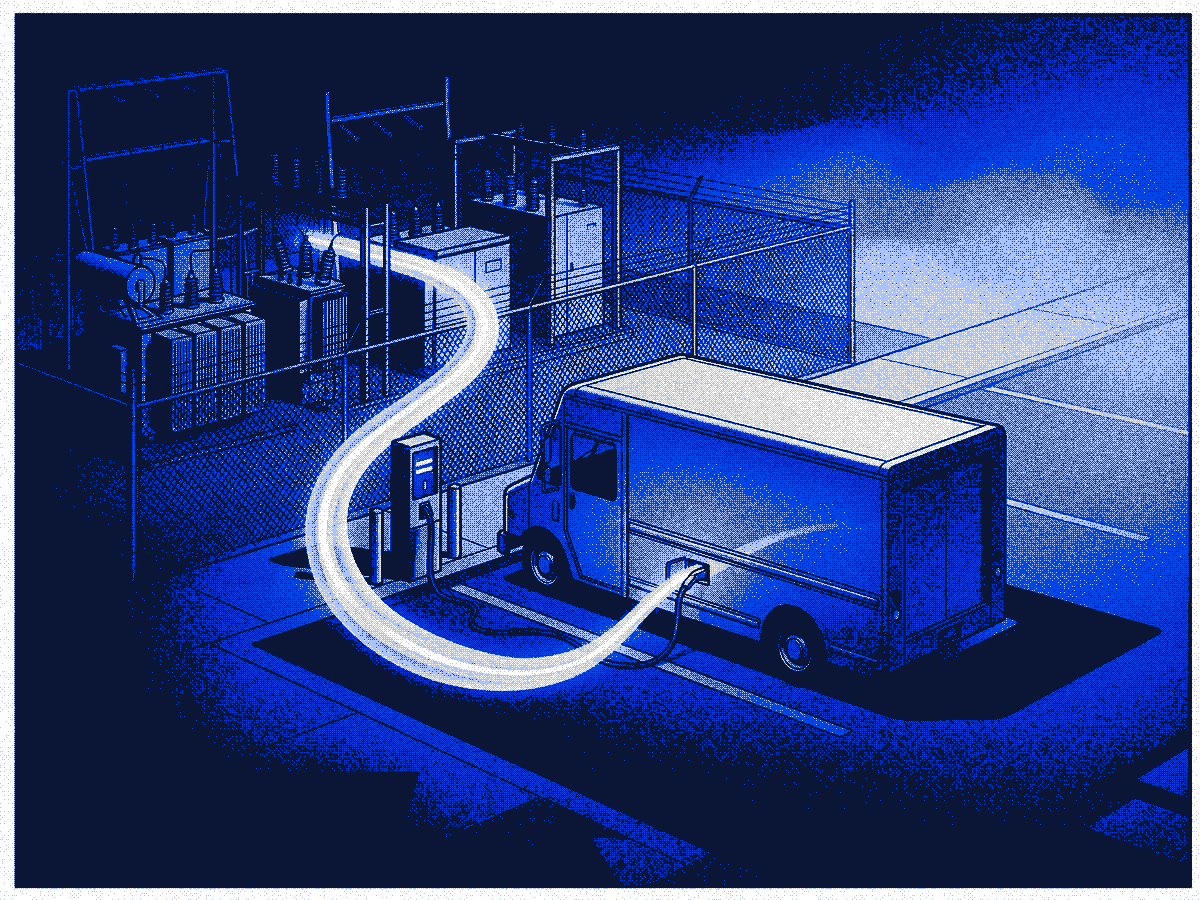
Vehicle-to-grid
What is V2G?
Vehicle-to-grid (V2G) is bidirectional charging in which a plugged-in electric vehicle can send power from its battery back to the grid, not only take power from it. Coordinated by software and the grid operator’s signals, a parked fleet of vehicles can then act like a distributed battery, absorbing power when it is plentiful and returning some when it is scarce.
05 Grid & markets
Grid & markets
How utilities and markets ask customer equipment to help, and pay for it.

Demand response (DR)
What is demand response?
Demand response is when electricity customers change how much power they use, reducing, shifting or sometimes increasing load, in response to a price or a request from a utility or grid operator, usually in exchange for payment or a lower rate. It lets the grid balance supply and demand by adjusting load instead of only by running more power plants.
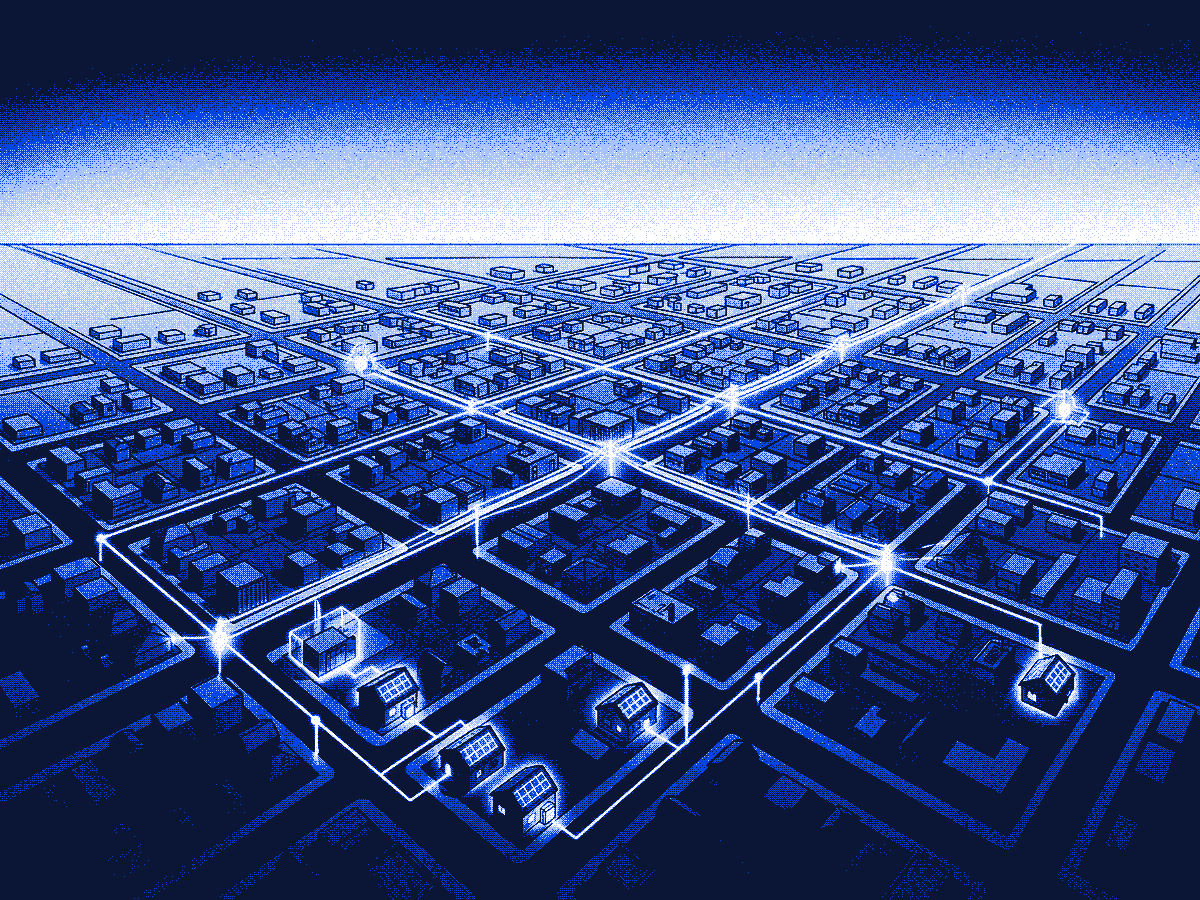
Distributed energy resource management system
What is DERMS?
A distributed energy resource management system (DERMS) is software that monitors, forecasts and controls distributed energy resources (DERs), such as rooftop solar, batteries, EV chargers and flexible loads, so they support the grid instead of straining it. Utilities use a DERMS to manage DERs against local limits on feeders and transformers; aggregators and site operators use one to dispatch their own fleets.
06 Standards
Standards
The specifications and information models that make equipment from different vendors interchangeable.
ISO 15118 vehicle-to-grid communication interface
What is ISO 15118?
ISO 15118 is the international standard for digital communication between an electric vehicle and a charging station. It lets the car identify itself for Plug & Charge, share its energy needs and departure time, and agree a charging schedule with the charger. ISO 15118-2 (2014) is the first-generation application protocol; ISO 15118-20 (2022) adds bidirectional power and stronger security.
SunSpec Modbus information models
What is SunSpec?
SunSpec is a set of open information models from the SunSpec Alliance that standardize how solar inverters, meters, batteries and other distributed energy resources present their data over Modbus. Instead of every manufacturer inventing its own register map, a SunSpec device exposes numbered models, such as one for inverter measurements or one for DER settings, at known addresses and in a known format.
A–Z
Every term, A to Z
- BACnetBuilding Automation and Control Networks
- BMSBuilding management system
- DCIMData center infrastructure management
- Demand response
- DERMSDistributed energy resource management system
- EMSEnergy management system
- IEEE 2030.5
- ISO 15118
- Modbus
- OCPP 1.6Open Charge Point Protocol 1.6
- OCPP 2.0.1Open Charge Point Protocol 2.0.1
- OpenADROpen Automated Demand Response
- PUEPower usage effectiveness
- SunSpec
- V2GVehicle-to-grid