What is V2G?
Vehicle-to-gridReviewed
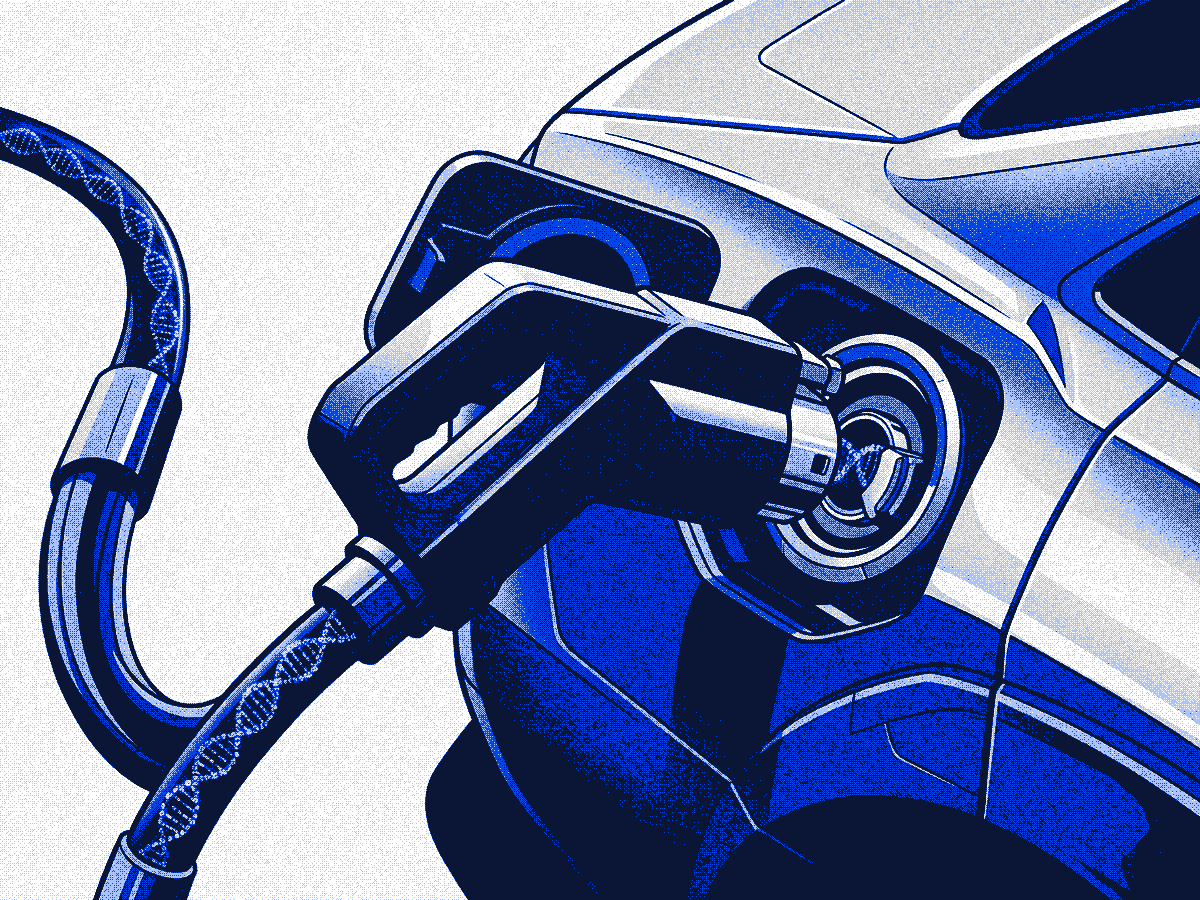
Vehicle-to-grid (V2G) is bidirectional charging in which a plugged-in electric vehicle can send power from its battery back to the grid, not only take power from it. Coordinated by software and the grid operator’s signals, a parked fleet of vehicles can then act like a distributed battery, absorbing power when it is plentiful and returning some when it is scarce.
- FamilyV2X: V2G, V2H, V2B, V2L
- Vehicle protocolISO 15118-20, CHAdeMO
- Charger protocolOCPP 2.1
- InterconnectionIEEE 1547, UL 1741 SB (U.S.)
01
What V2G does
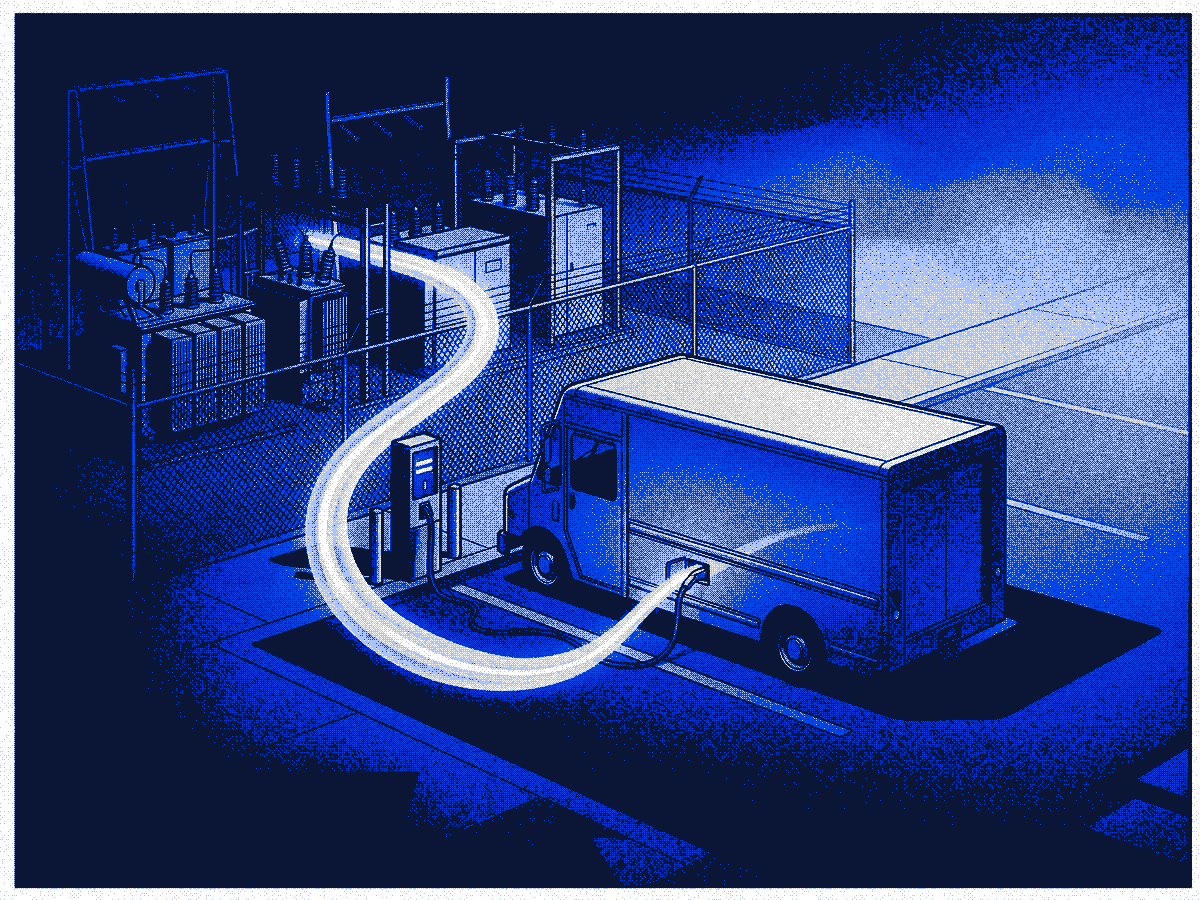
Most vehicles sit parked for over 20 hours a day with batteries far larger than a home battery. With V2G, a charger and vehicle that both support bidirectional power can discharge into the site or the grid during peaks or events, within limits the driver sets, and recharge before the vehicle is needed.
Close relatives use the same technology for other destinations: vehicle-to-home (V2H) and vehicle-to-building (V2B) supply a building directly, often as backup power, and vehicle-to-load (V2L) powers devices from an outlet on the car.
Key functions
- Discharges vehicle batteries to the grid
- Backs up homes and buildings (V2H, V2B)
- Shaves site peaks without a stationary battery
- Provides grid services such as frequency response
- Respects driver departure time and minimum charge
- Follows grid interconnection rules
02
Why V2G matters
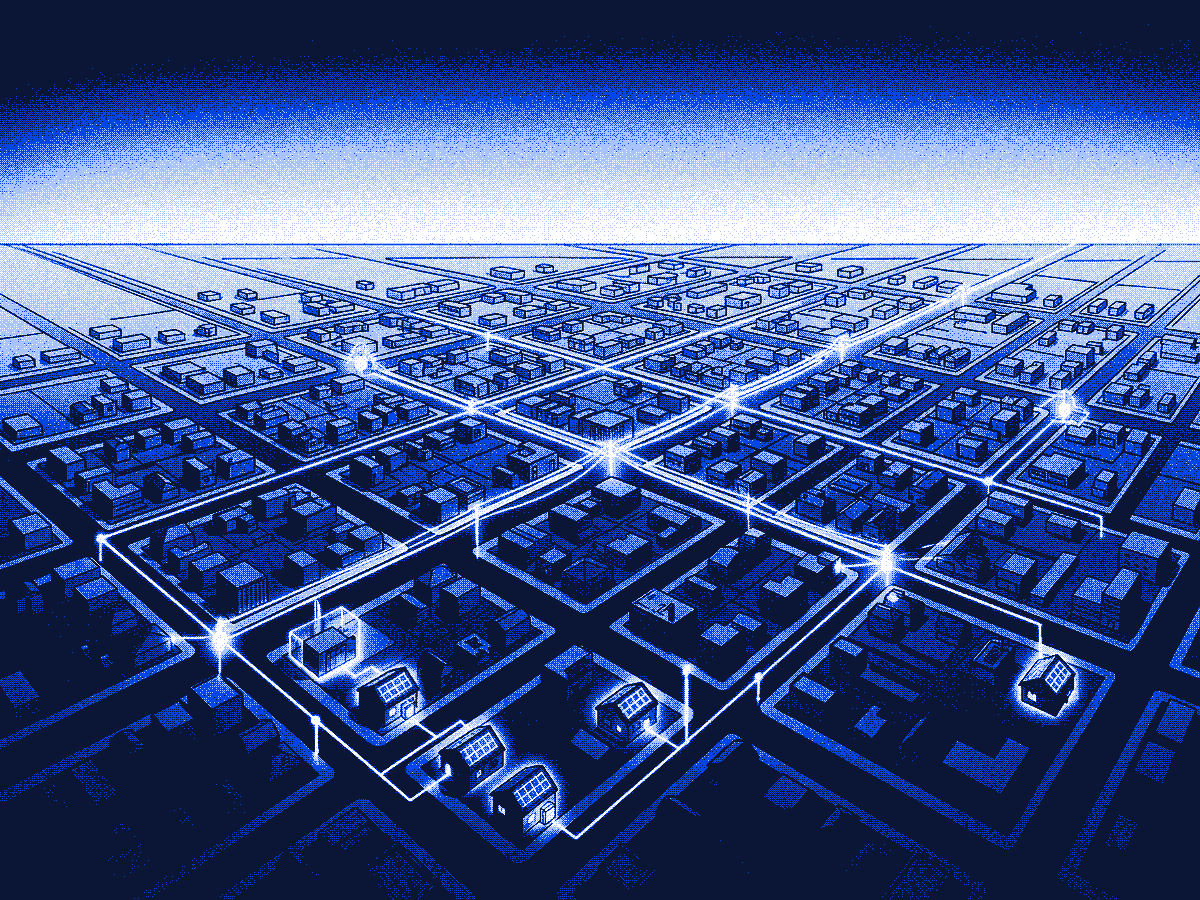
The total battery capacity on wheels is growing far faster than stationary storage. If even part of it can respond to the grid, it becomes a large flexible resource that is already paid for, especially for school buses and fleets parked at predictable times.
V2G is still early. Few vehicles and chargers support it, standards are being finalized and utilities are setting interconnection rules, but school bus, fleet and residential pilots are running in several countries.
03
How V2G works
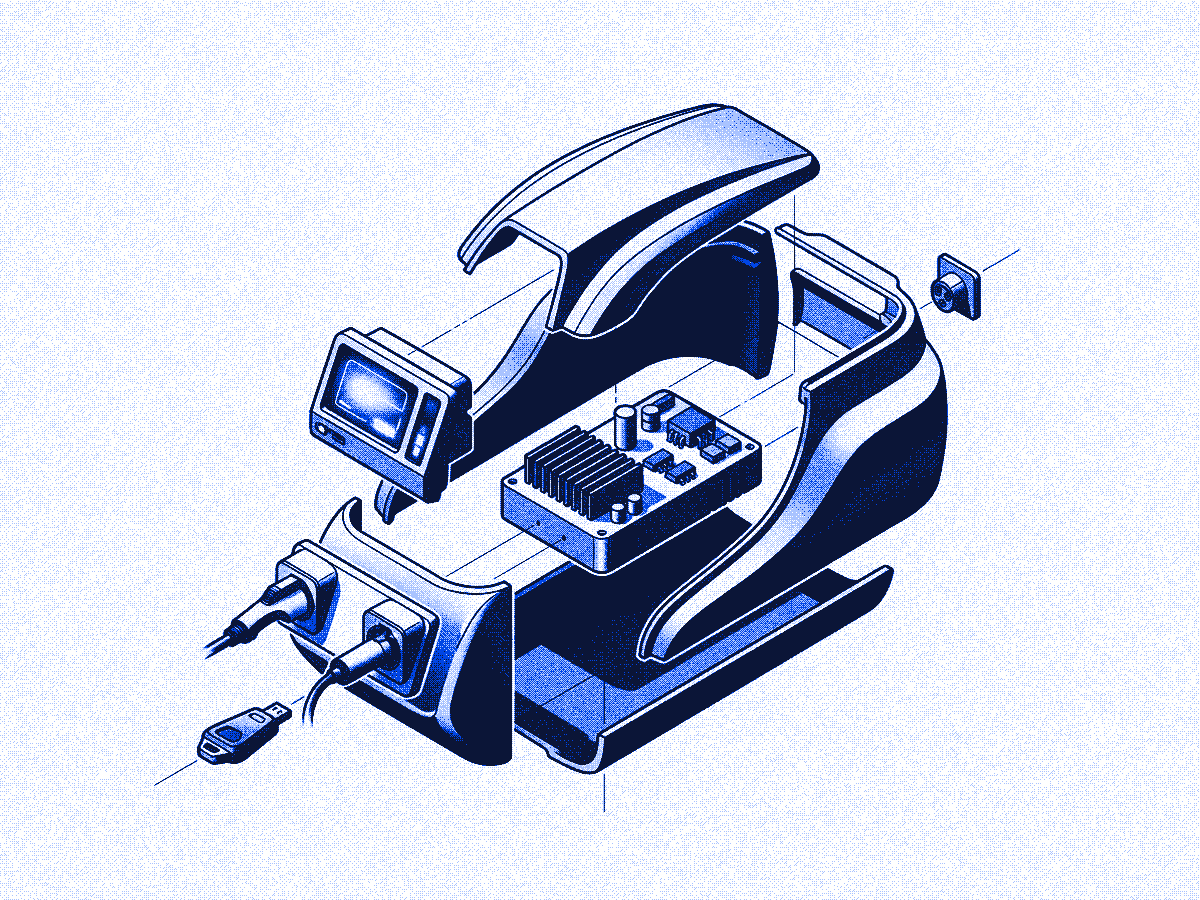
Power can flow back through a DC charger, which contains the inverter, or through an AC connection, where the vehicle’s own onboard inverter does the conversion. Either way the setup is an inverter-based resource connected to the grid, so it must meet interconnection standards such as IEEE 1547 and, in the U.S., UL 1741.
The vehicle and charger negotiate bidirectional power over ISO 15118-20 (or CHAdeMO, which has supported it for years). The charger talks to its management software over OCPP; OCPP 2.1 adds the bidirectional messages. That software follows grid signals, such as IEEE 2030.5 or OpenADR, while honoring the driver’s departure time and minimum charge.
01
Grid signal
Program or price
02
Charging software
OCPP 2.1 to the charger
03
Charger
ISO 15118-20 to the car
04
Vehicle
Discharges within limits
04
How V2G feeds Voltra
Voltra supports V2G today. EV assets on the platform can take part in demand response and wholesale market programs with both smart charging (V1G) and bidirectional export (V2G), with enrollment, dispatch, settlement and reporting handled by the platform. Discharge is dispatched inside the same site model that keeps every site under its service limit.
Learn more
EV charging
Load balancing and site limits for charging.
Learn more
Grid flexibility
V1G and V2G in demand response and market programs.
05
Frequently asked questions
V2G sends power from the vehicle to the grid, usually under a utility program. V2H sends it to the home the vehicle is plugged into, often as backup during an outage, and may not export to the grid at all.
Extra cycling adds some wear. How much depends on how deeply and how often the battery is cycled; programs usually limit discharge depth and frequency, and some manufacturers set warranty terms for bidirectional use.
ISO 15118-20 or CHAdeMO between vehicle and charger, OCPP 2.1 between charger and its software, and grid interconnection standards such as IEEE 1547 and UL 1741 for the power conversion. Utility signals often use IEEE 2030.5 or OpenADR.
No. Both the vehicle and the charger must support bidirectional power, and the installation must be approved for export by the local utility.