What is EMS?
Energy management systemReviewed
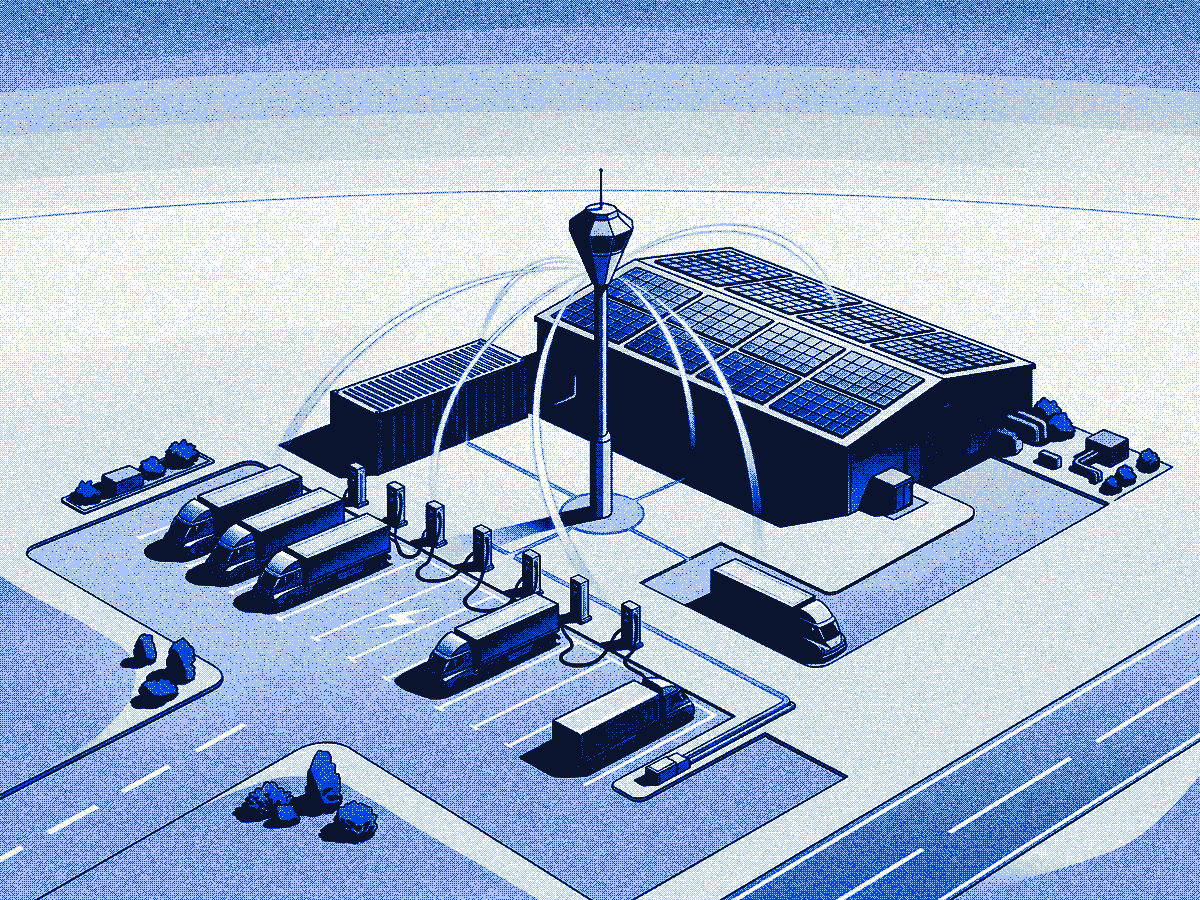
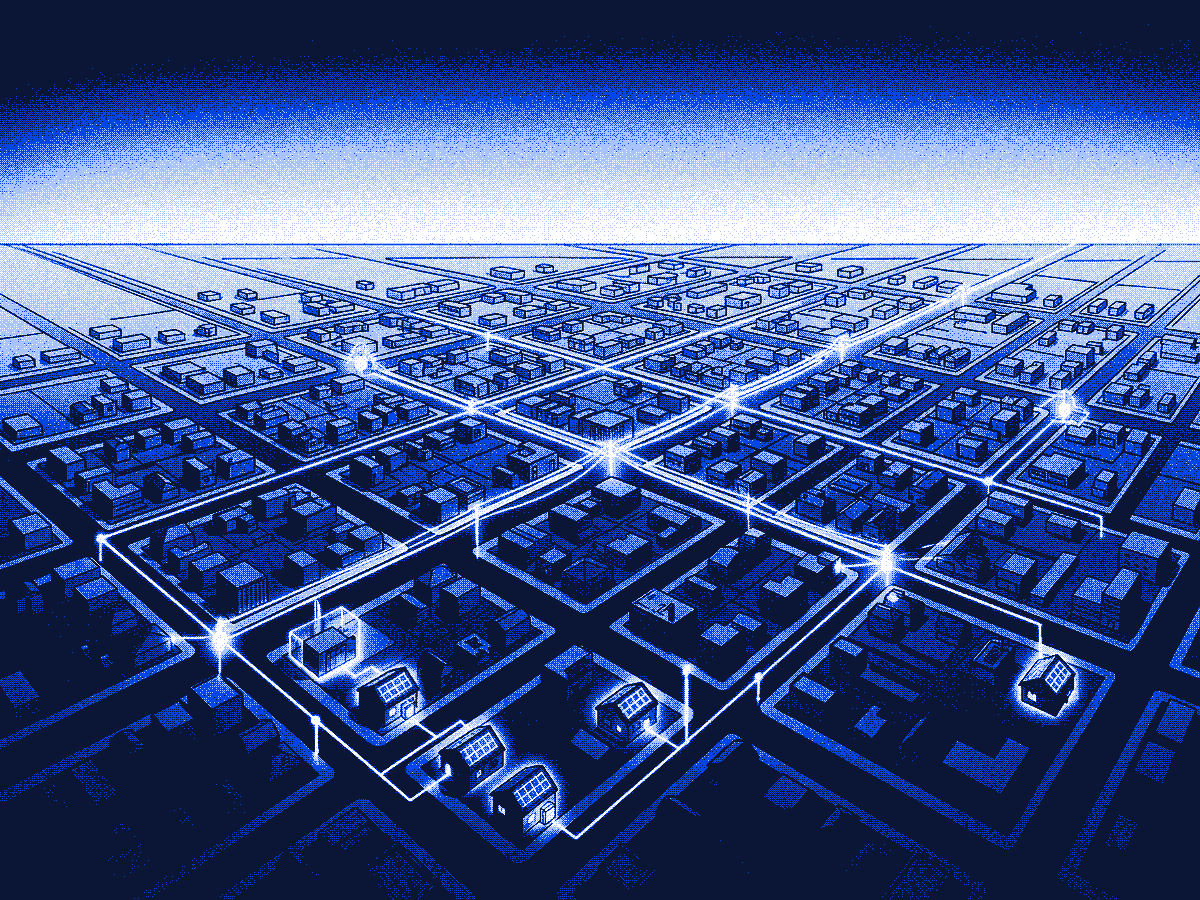
An energy management system (EMS) is software, often with on-site control, that measures how a site produces, stores and uses electricity and decides how its equipment should run to cut cost, stay within limits or support the grid. A site EMS coordinates solar, batteries, EV chargers, generators and large loads against tariffs, forecasts and the site’s electrical capacity.
- CoordinatesSolar, storage, chargers, loads
- InputsMeters, tariffs, forecasts, limits
- OutputsSchedules, setpoints, reports
- Other meaningUtility control-center EMS
01
What EMS does
An EMS answers one question continuously: given what this site needs and what power costs right now, what should each piece of equipment do? It might charge a battery from midday solar, discharge it into the evening peak, slow charging when the building’s load climbs and keep total demand under the utility service limit.
It also reports: where energy went, what it cost, how much each action saved and how the site performed during grid events.
Key functions
- Live view of site load and generation
- Load, solar and tariff forecasts
- Battery and charging schedules
- Peak and demand-charge management
- Grid program event response
- Measurement and verification reports
02
Why EMS matters
Sites now combine equipment that used to be managed separately. A depot with chargers, a battery and solar has three systems that each optimize for themselves; only something above them can see that together they are about to set a new peak.
Tariffs have also become more complex, with time-of-use energy prices, demand charges and export rates. An EMS turns those rules into schedules automatically, which is where most of the savings come from.
03
How EMS works
An EMS reads meters and equipment over protocols such as Modbus, BACnet, OCPP and vendor APIs, builds a model of the site including its electrical limits, and forecasts load and generation for the hours ahead.
An optimizer then plans setpoints for each controllable asset, a battery’s charge and discharge, a charger’s current limit, a building’s pre-cooling, against tariffs and constraints. Plans run on site so control continues if the internet connection drops, and are revised as conditions change.
01
Measure
Meters and equipment
02
Forecast
Load, solar, prices
03
Optimize
Within site limits
04
Control
Setpoints and schedules
04
How EMS feeds Voltra
Voltra’s EMS keeps a real-time model of the site, forecasts load and tariffs, and can run optimization in shadow mode first, so a team sees what it would have done before it controls anything. It works within limits the operator sets, takes grid program events into the plan and produces M&V reports.
Learn more
EMS
Site model, forecasts, shadow-mode optimization, M&V.
Learn more
Energy management
Monitor, forecast and optimize site energy.
05
Frequently asked questions
A BMS runs a building’s mechanical systems for comfort and safety. An EMS focuses on electricity: how much the site uses and produces, what it costs and how to change it. An EMS often reads from and sends setpoints to the BMS.
In transmission operations, an energy management system is the control-center software that runs the bulk power grid: SCADA, generation dispatch and network analysis. It shares the name but not the scale of a site EMS.
ISO 50001 is a standard for an energy management system in the organizational sense: policies, targets and reviews for improving energy performance. Software EMS tools are often used to supply its data.
For control, usually yes: a gateway or controller on site reads local devices and keeps running if the internet drops. Monitoring-only EMS products can work from cloud APIs and meter data alone.