What is SunSpec?
SunSpec Modbus information modelsReviewed
SunSpec is a set of open information models from the SunSpec Alliance that standardize how solar inverters, meters, batteries and other distributed energy resources present their data over Modbus. Instead of every manufacturer inventing its own register map, a SunSpec device exposes numbered models, such as one for inverter measurements or one for DER settings, at known addresses and in a known format.
- Maintained bySunSpec Alliance
- Founded2009
- TransportModbus RTU and TCP
- Referenced byIEEE 1547-2018, IEEE 1547.1-2020
01
What SunSpec does
SunSpec turns Modbus from a raw list of registers into a self-describing interface. Software reading a SunSpec device first finds the SunSpec marker, then walks a chain of models, each with an ID and a length, until it reaches the end. It learns what the device offers without a vendor-specific map.
Common models cover device identity, AC and DC measurements for inverters, meter readings, battery state and, in the 700-series DER models, the grid-support settings that IEEE 1547-2018 requires, such as volt-var curves and ride-through limits.
Key functions
- Self-describing chain of models
- Standard identity and nameplate data
- Inverter, meter and battery measurements
- IEEE 1547-2018 DER settings and curves
- Scale factors carried with each value
- Certification testing by the Alliance
02
Why SunSpec matters
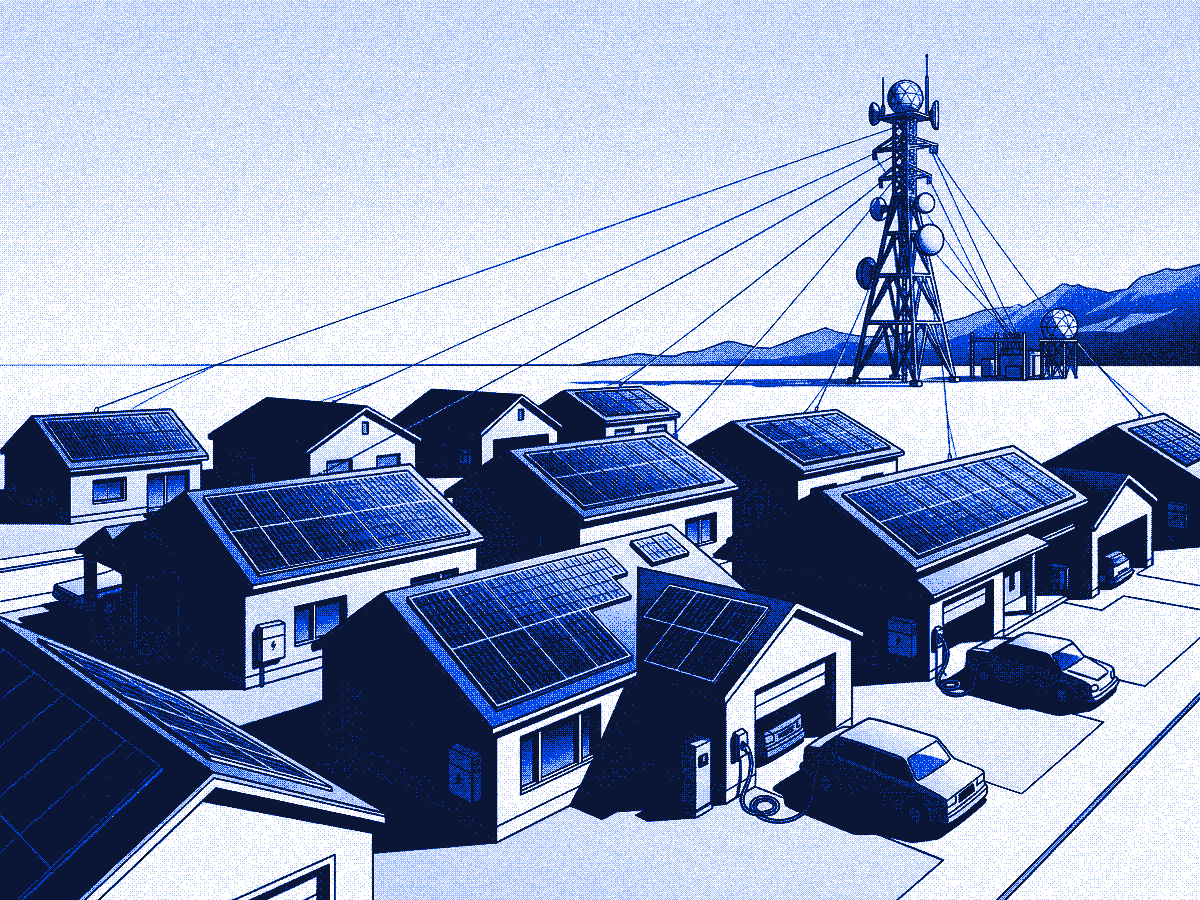
A site with inverters from three manufacturers would otherwise need three integrations. With SunSpec the same code reads all three, which lowers the cost of monitoring and controlling distributed solar and storage.
It also matters for grid codes. IEEE 1547-2018 requires inverter-based resources to offer a local communication interface using one of IEEE 2030.5, IEEE 1815 (DNP3) or SunSpec Modbus, so SunSpec support has become a standard line on inverter datasheets in North America.
03
How SunSpec works
A SunSpec device places the ASCII marker "SunS" at a well-known Modbus address, usually register 40000. Model 1, the common model, follows with manufacturer, model and serial number. Each later block starts with its model ID and length, so a reader can skip models it does not need.
Values come with scale factors: a power reading of 12345 with a scale factor of -1 means 1234.5 W. Writable points, such as an export limit or a power-factor setting, are written back to the same registers.
01
Find “SunS”
Usually register 40000
02
Common model
Who made the device
03
Model chain
Inverter, meter, DER settings
04
Read and write
Values with scale factors
04
How SunSpec feeds Voltra
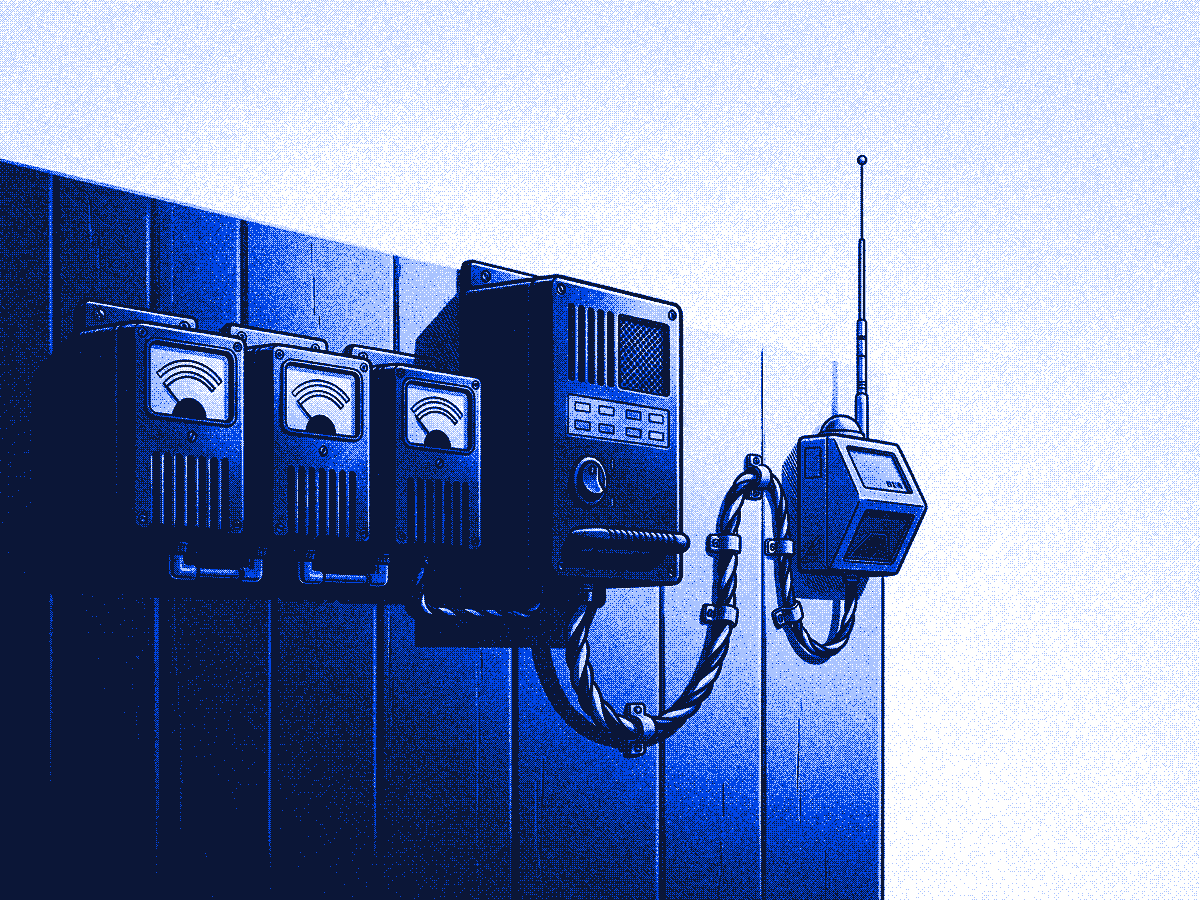
A SunSpec inverter, meter or battery is a Modbus device, so it reaches Voltra through the Modbus driver on Voltra Edge and lands in the same device model as the rest of the site. Export and import limits for solar and storage are then set from that one model.
Learn more
Voltra Edge
Local protocol drivers, including Modbus, on site.
Learn more
Edge DERMS
Export and import limits that hold even offline.
05
Frequently asked questions
Not on its own. SunSpec defines information models, what data a device exposes and how it is laid out. SunSpec Modbus carries those models over Modbus, and the same models also informed IEEE 2030.5 and IEEE 1547 work.
The SunSpec Alliance runs certification programs that test whether a product implements its specifications correctly, including SunSpec Modbus and the Common Smart Inverter Profile (CSIP) for IEEE 2030.5.
Yes. SunSpec has models for storage, and the 700-series DER models describe inverter-based resources whether the energy comes from solar or a battery.
A separate SunSpec specification for a communication signal that tells rooftop solar equipment to shut down quickly, used to meet the U.S. National Electrical Code rapid shutdown rules for firefighter safety.