Improved Grid Visibility
Real-time awareness of DER behavior across the territory supports better planning, forecasting, and operations. Blind spots shrink as more devices report into a common view.
/infrastructure
/ai
One core under every product: connect, model, coordinate and prove.
How Fabric works/optimize
Four products on one platform. Start with the one you need; the next one uses the devices and data you already connected.
All products/energy & grid
/facilities & industry
/platform
Find what you run by name. Every solution runs on the same platform, so they share devices, data and one model of your site.
All solutionsSelect your industry to see how Voltra fits for you.
All industriesFor Utilities
01 Challenge & Solution
Challenge
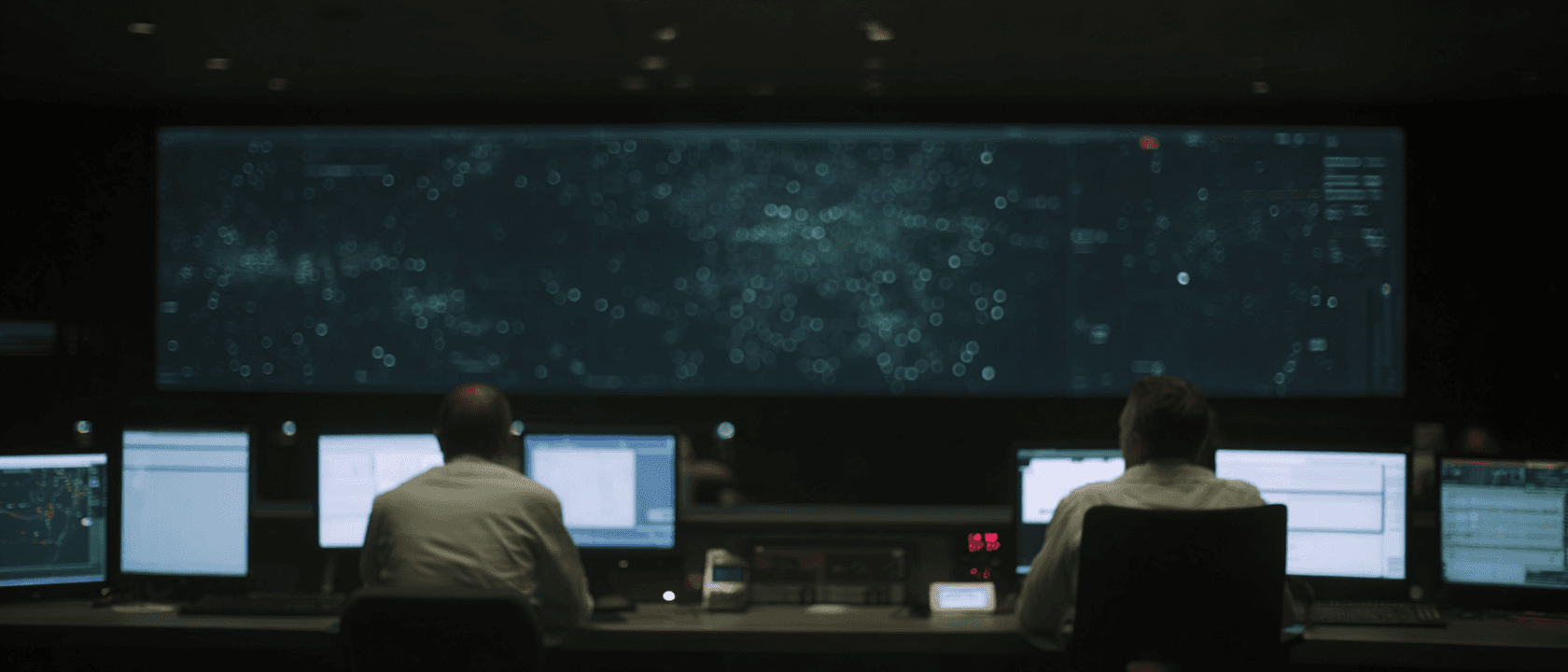
Utilities face rapid growth in distributed energy resources—EV chargers, batteries, solar, and flexible loads—connecting to the grid faster than visibility and control systems can keep up. Each device type, vendor, and aggregator introduces a different protocol, data format, and integration requirement. Most utilities have fragmented visibility into DERs and limited ability to coordinate them for grid benefit.
Solution
This unlocks consistent visibility and coordination across the heterogeneous DER landscape. Utilities can aggregate telemetry from diverse devices, issue control signals through a common interface, and incorporate DERs into grid operations without building point-to-point integrations for every vendor. Distributed resources become grid assets that can be monitored, managed, and dispatched.
02 Products
Each runs on the same platform. Start with one and add the next when you need it.
Enroll flexible load and answer grid events.
Learn moreBatteries, solar and loads, run as one system.
Learn moreFrom the utility feed to the rack, in one view.
Learn more03 Competencies
Competencies
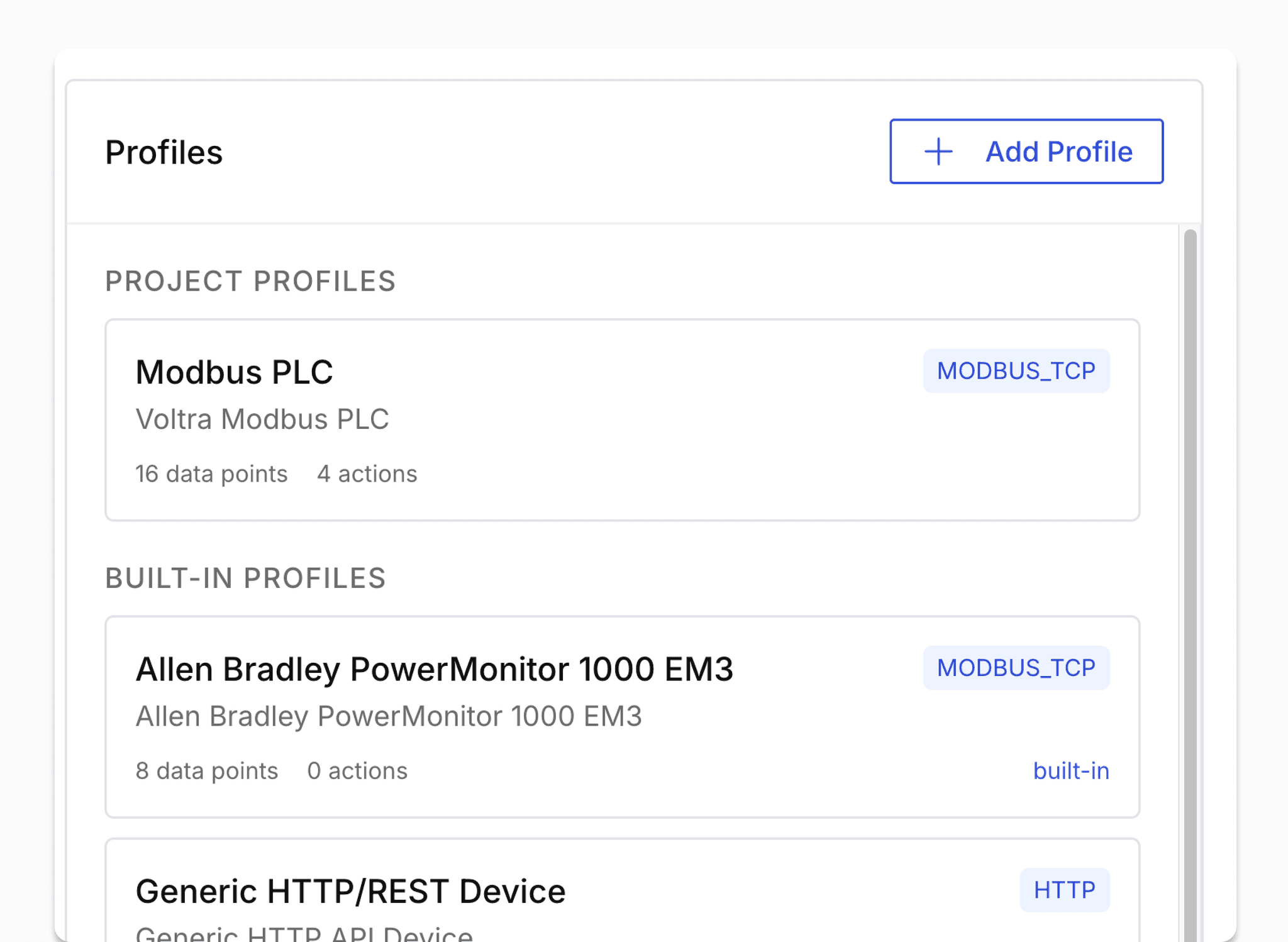
Telemetry from chargers, batteries, inverters, and flexible loads can be normalized into a consistent data model regardless of source. Real-time and historical data flows into utility systems without per-vendor transformation. Grid operators see DERs the same way they see traditional assets.
This commonly includes integration with utility control centers, energy management systems, CIS platforms, and program management tools, alongside support for industry standards like IEEE 2030.5, OpenADR, and SunSpec.
Dispatch signals, curtailment commands, and demand response instructions can be issued to DERs through a unified control interface. Devices respond consistently regardless of manufacturer or protocol. Utilities can call on distributed capacity for load management, frequency response, or emergency curtailment.
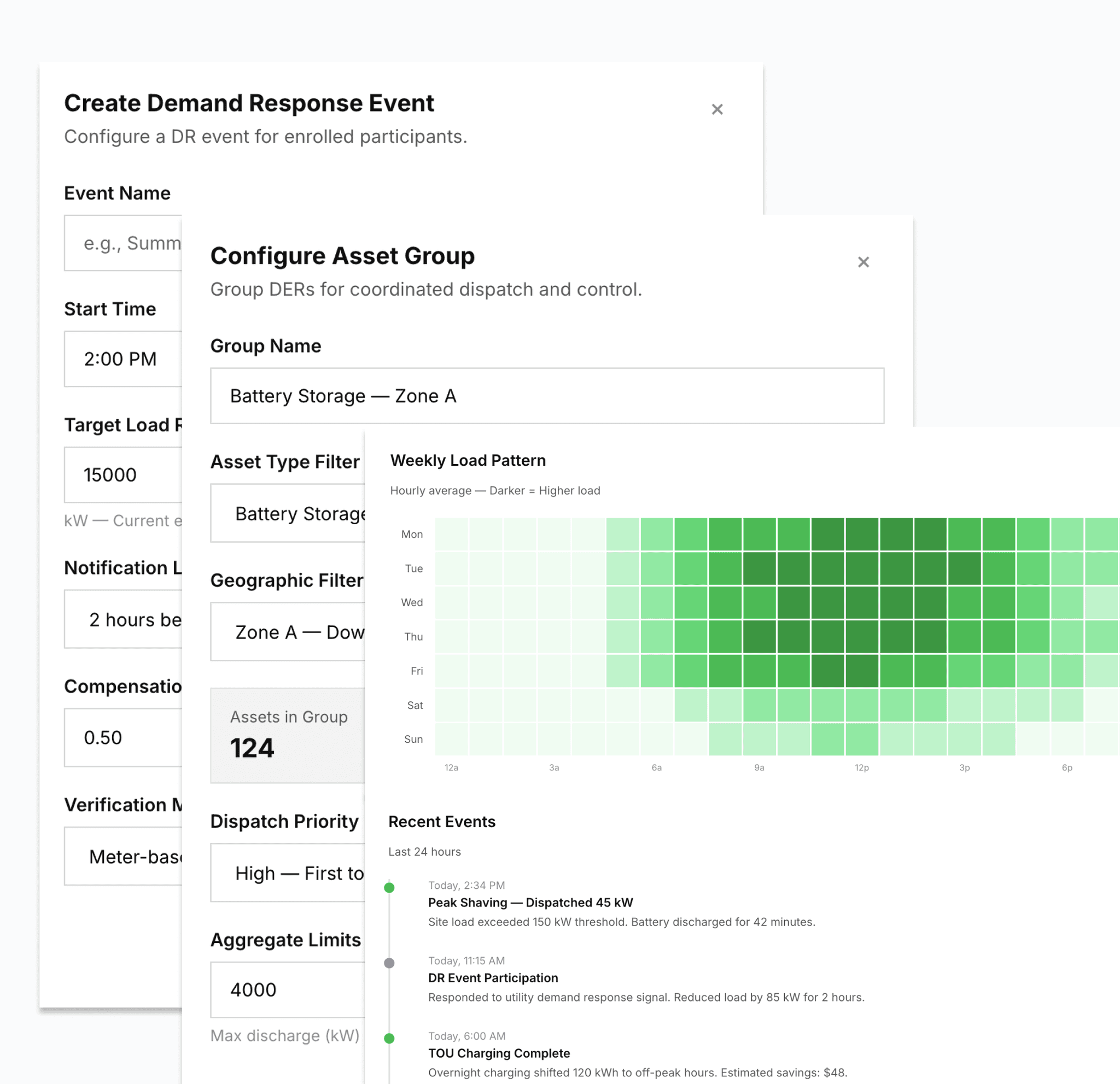
DERs can be enrolled in utility programs, tracked for performance, and metered for settlement. Participation data flows back to billing and program management systems. Incentive programs become operationally tractable, not manually intensive.
04 Impact
IMPACT
Real-time awareness of DER behavior across the territory supports better planning, forecasting, and operations. Blind spots shrink as more devices report into a common view.
Coordinating existing DERs can reduce peak demand and defer costly transmission and distribution upgrades. Distributed capacity becomes a resource, not just a load.
New demand response, managed charging, or flexibility programs can launch without building custom integrations for every device class. Program time-to-value compresses significantly.
Instead of negotiating data access, building custom APIs, and maintaining integrations with every DER vendor, aggregator, and device manufacturer, utilities connect through a unified layer that handles protocol translation and data normalization. This replaces the fragmentation of one-off integrations with a scalable approach that grows with DER adoption.
As more devices connect to the grid, the integration burden stays manageable. Teams spend less time on vendor management and more time on grid operations, program design, and customer engagement.
05 Under the hood
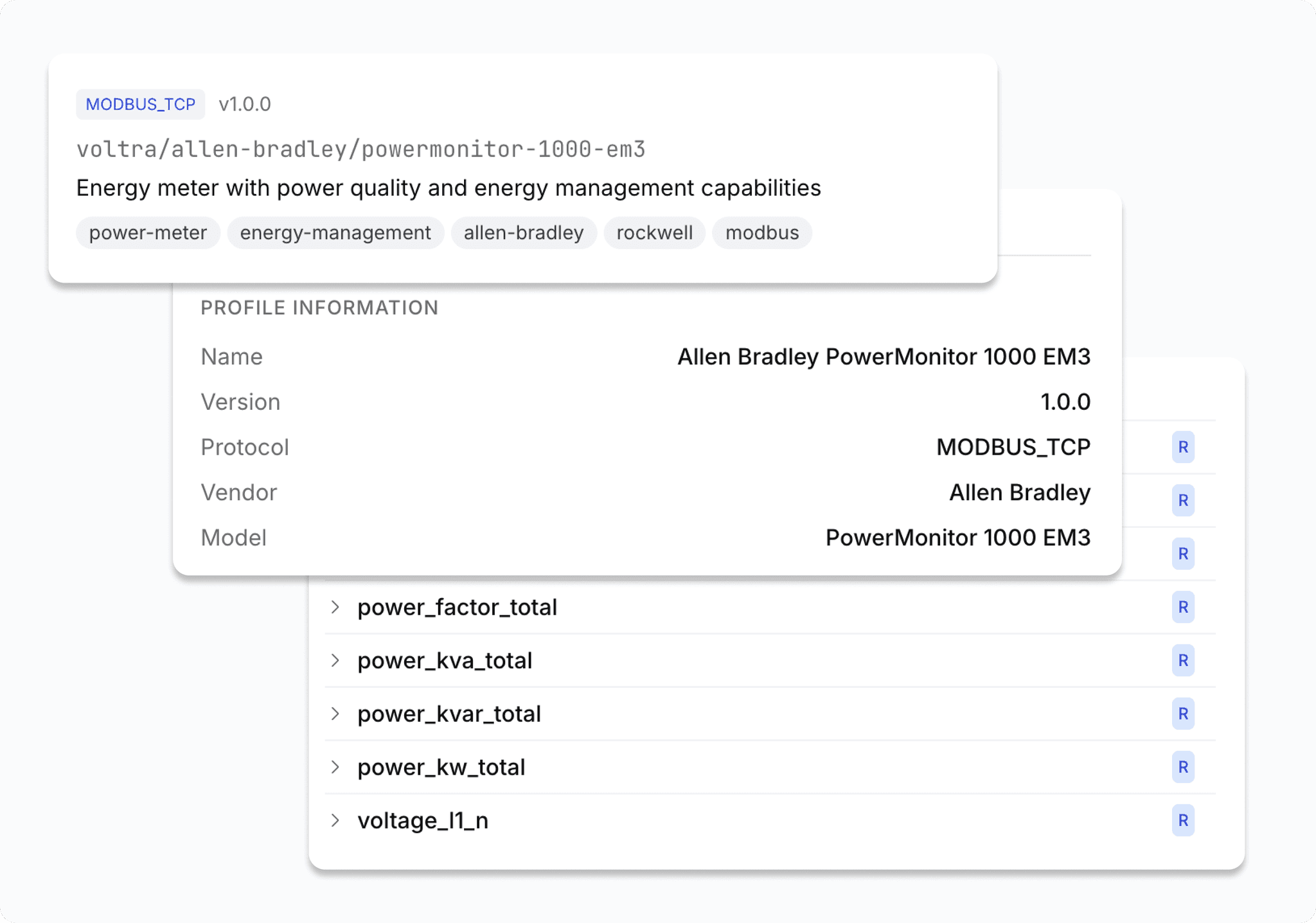
Connectors live in the platform, so every product gets them.
OpenADR
2.0b & 3.0
IEEE 2030.5
CSIP
OCPP
EV chargers
SunSpec
Inverters
Modbus
TCP & RTU
MQTT
Sensors & brokers