What is DCIM?
Data center infrastructure managementReviewed
Data center infrastructure management (DCIM) is software that tracks and monitors a data center’s physical infrastructure: the power chain from the utility service to each rack, cooling, space and the assets installed in it. Operators use it to see live load and headroom, plan where new equipment can go and keep the facility inside its power and cooling limits.
- CoversPower, cooling, space, assets
- Common protocolsSNMP, Modbus, BACnet, Redfish
- Main usersFacilities and capacity teams
- Key outputsHeadroom, alarms, PUE, plans
01
What DCIM does
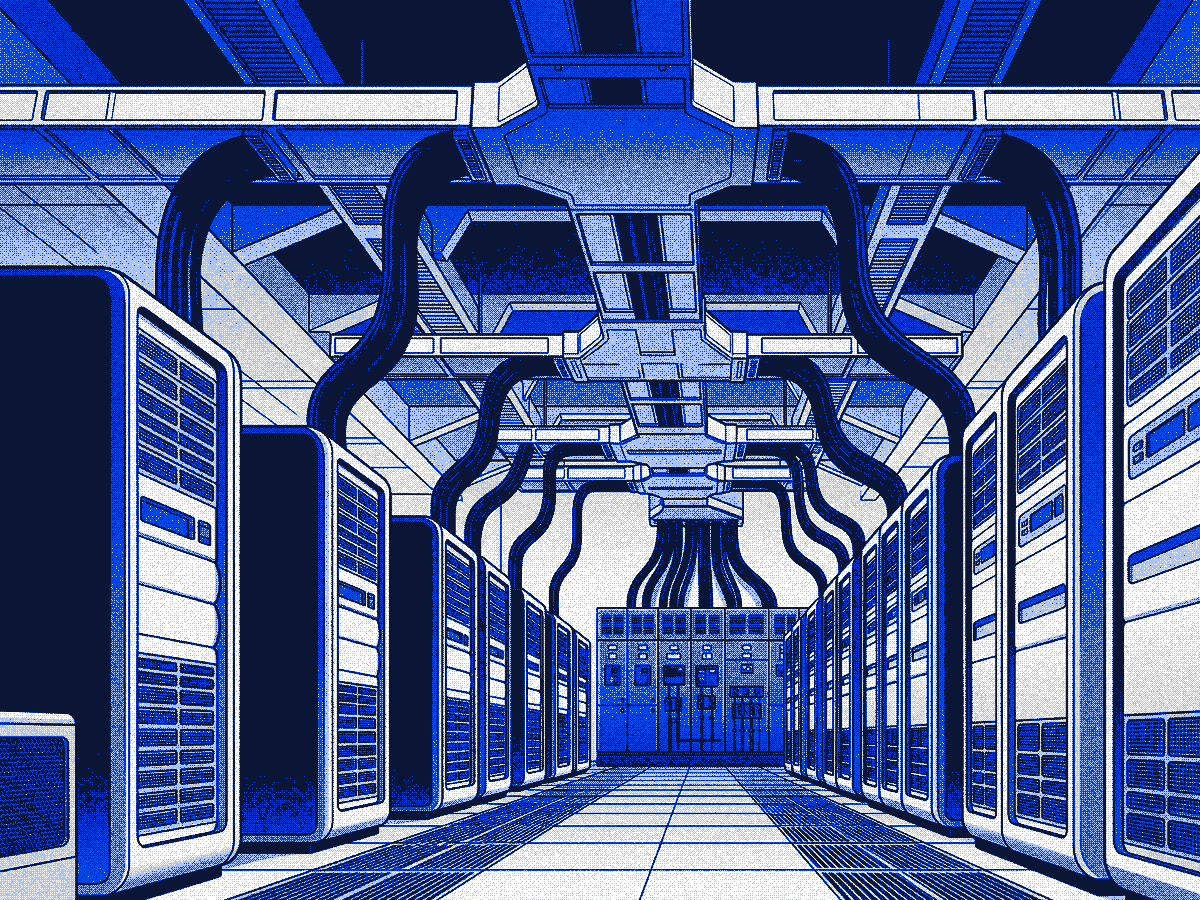
DCIM brings two views together. The facilities view follows electricity from switchgear through UPS systems and power distribution units to rack power strips, plus the chillers, CRAHs and sensors that remove the heat. The IT view records which servers sit in which rack, what they are rated for and what they actually draw.
Joined up, those views answer the questions a data center lives by: how much power and cooling is left in this hall, which circuits are close to their limit, and what happens upstream if a UPS or feed fails.
Key functions
- Monitors the power chain from utility to rack
- Tracks rack space, power and cooling capacity
- Records assets and where they are installed
- Alarms on thresholds and failures
- Models what a failure takes out upstream
- Reports PUE and energy by customer or hall
02
Why DCIM matters
AI training and inference have pushed rack densities from single-digit kilowatts to tens of kilowatts and more. At those densities power, not floor space, is the constraint, and stranded capacity on one circuit is capacity a team cannot sell or use elsewhere.
Data centers also face growing questions from utilities and regulators about how much load they will add and when. Answering them needs measured load from the facility, not nameplate ratings.
03
How DCIM works
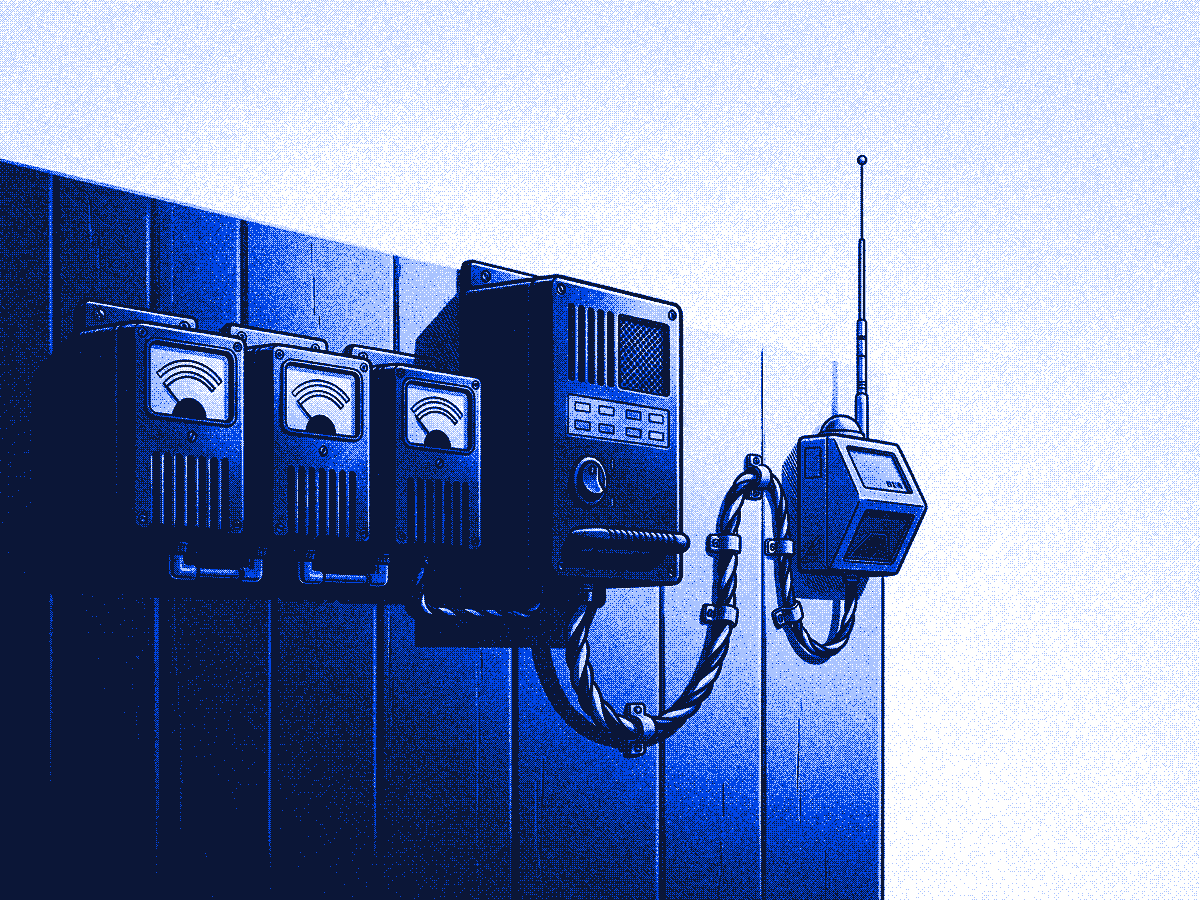
DCIM collects readings from the devices along the power and cooling chain. Switchgear meters, UPS systems and PDUs usually speak SNMP or Modbus; building plant often speaks BACnet; servers and chassis report their own power through their baseboard management controllers over Redfish, the DMTF’s REST API that replaced IPMI for this job.
Those readings are attached to a model of the facility: which breaker feeds which PDU, which PDU feeds which rack. With that model the software can add up load at every level, compare it with ratings and redundancy rules, and show where there is real headroom.
01
Utility service
Switchgear and meters
02
UPS and PDUs
SNMP or Modbus readings
03
Racks and servers
Rack PDUs and Redfish
04
DCIM model
Load, headroom, alarms
04
How DCIM feeds Voltra
Voltra models the electrical chain of a data hall from the utility service through UPS and PDU to each rack, reads server and chassis power over Redfish, and plans capacity against those limits. The same model can hold a hall inside an agreed power envelope.
Learn more
DCIM
Utility-to-rack model, Redfish connector and capacity planning.
Learn more
Data center power
Power and capacity for data centers, from utility to rack.
05
Frequently asked questions
A BMS runs the building’s mechanical systems, such as cooling plant and air handlers. DCIM tracks the IT-facing infrastructure: power distribution to racks, rack space and the assets installed. Many data centers run both and share data between them.
Redfish is a REST and JSON API standard from the DMTF for managing servers and other hardware. DCIM software uses it to read power, temperature and inventory directly from servers and chassis.
It can. PUE is total facility energy divided by IT equipment energy, so a DCIM system that meters both the utility feed and the IT load can calculate it continuously.
Facilities engineers, capacity planners and operations teams at colocation providers, enterprise data centers and AI compute sites.