What is DERMS?
Distributed energy resource management systemReviewed
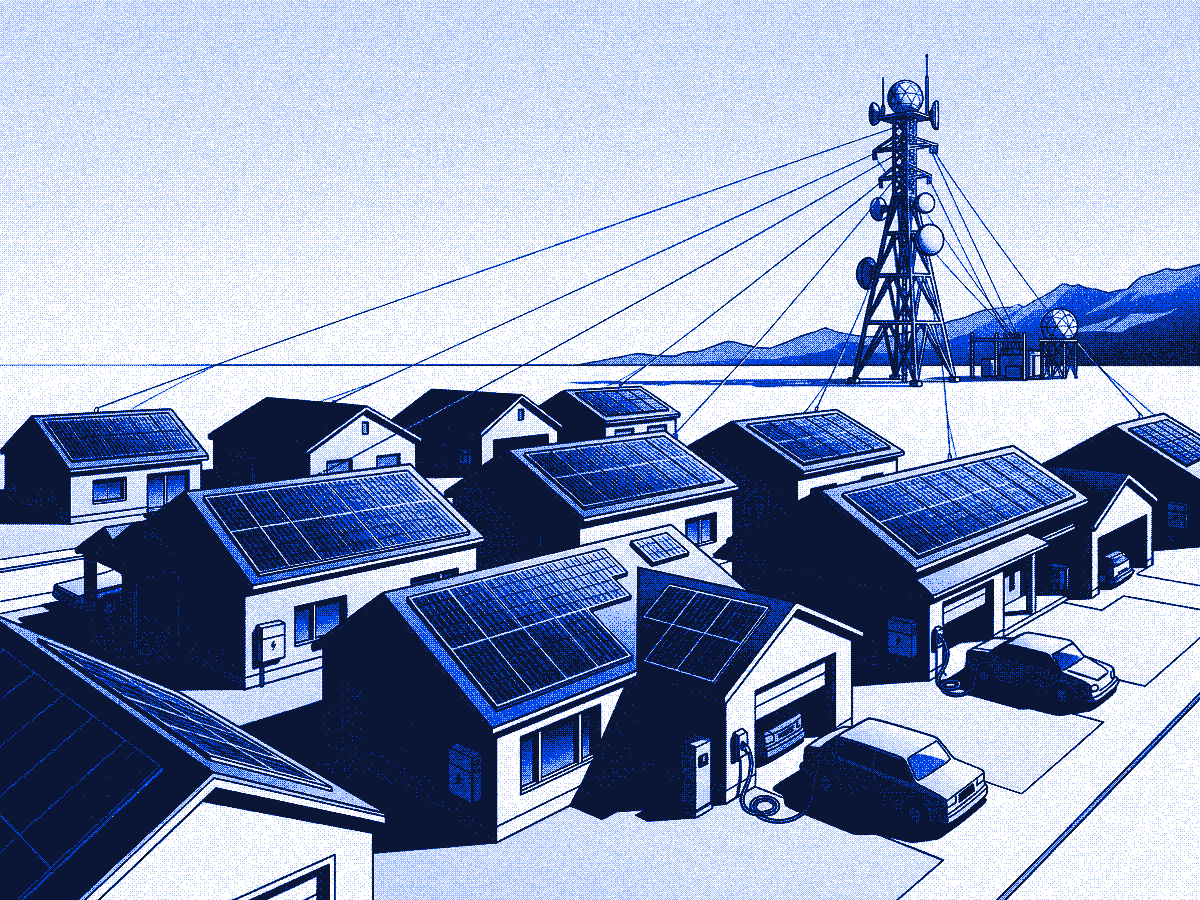
A distributed energy resource management system (DERMS) is software that monitors, forecasts and controls distributed energy resources (DERs), such as rooftop solar, batteries, EV chargers and flexible loads, so they support the grid instead of straining it. Utilities use a DERMS to manage DERs against local limits on feeders and transformers; aggregators and site operators use one to dispatch their own fleets.
- ManagesSolar, storage, chargers, flexible load
- Common interfacesIEEE 2030.5, DNP3, OpenADR
- UsersUtilities, aggregators, site operators
- Related ruleFERC Order 2222 (2020)
01
What DERMS does
A DERMS keeps a register of every resource it manages: where it is connected, what it can do and what it is doing now. It forecasts what those resources will produce or consume, compares that with what the network can carry, and sends controls such as export limits, charging limits or dispatch targets when it needs to.
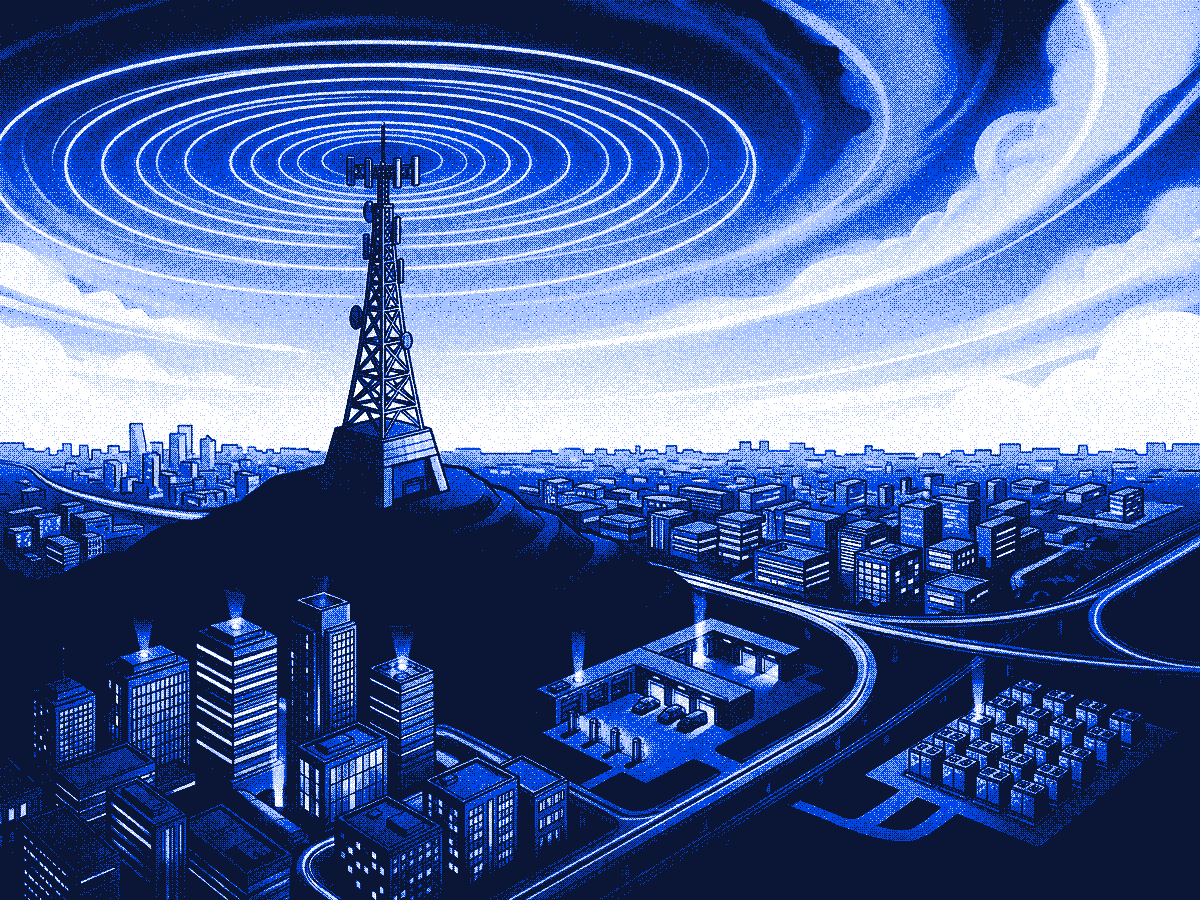
A utility DERMS works with the distribution grid model, so it can see that one feeder is near its limit while the next is not. A grid-edge DERMS runs closer to the equipment, often on site, and acts even when the connection to the cloud drops.
Key functions
- Register and model every DER
- Forecast generation and flexible load
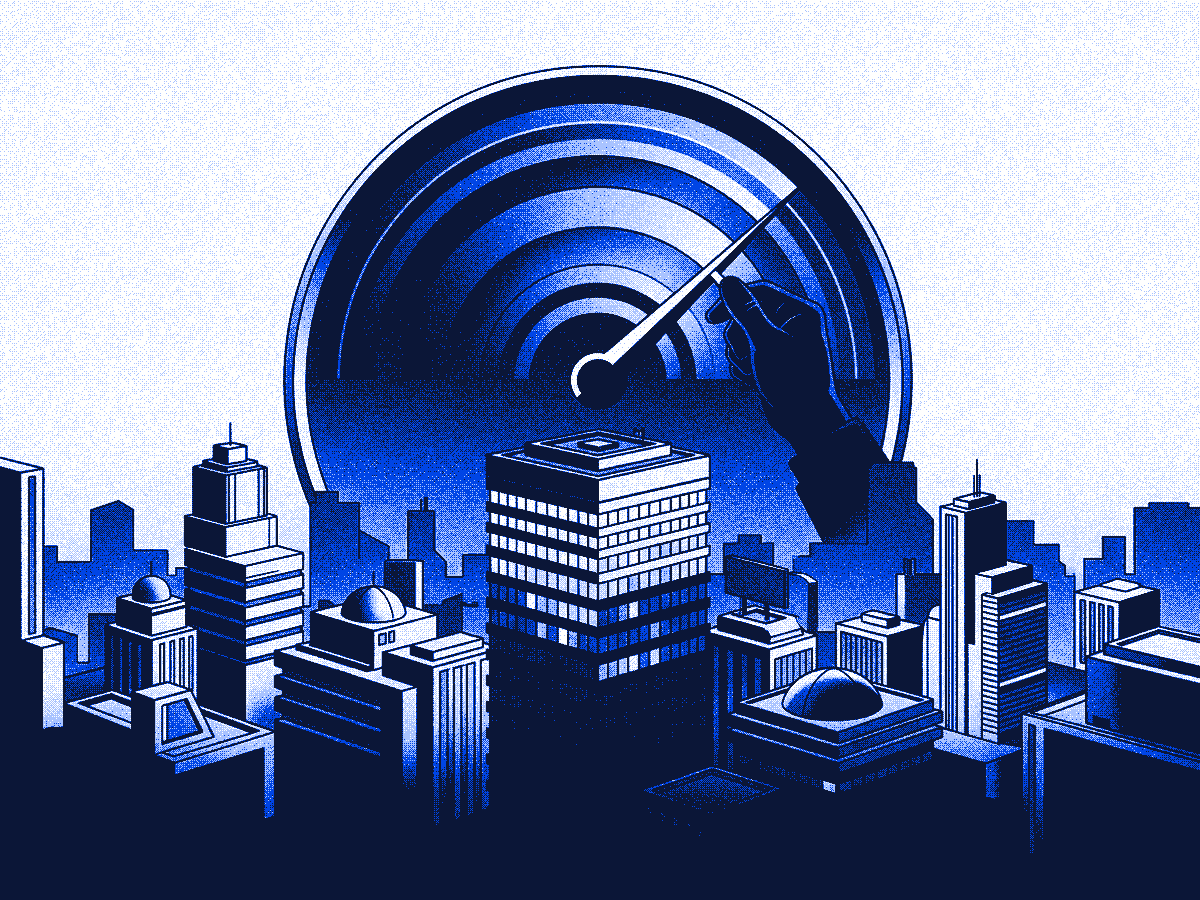
- Set export, import and charging limits
- Dispatch fleets for grid services
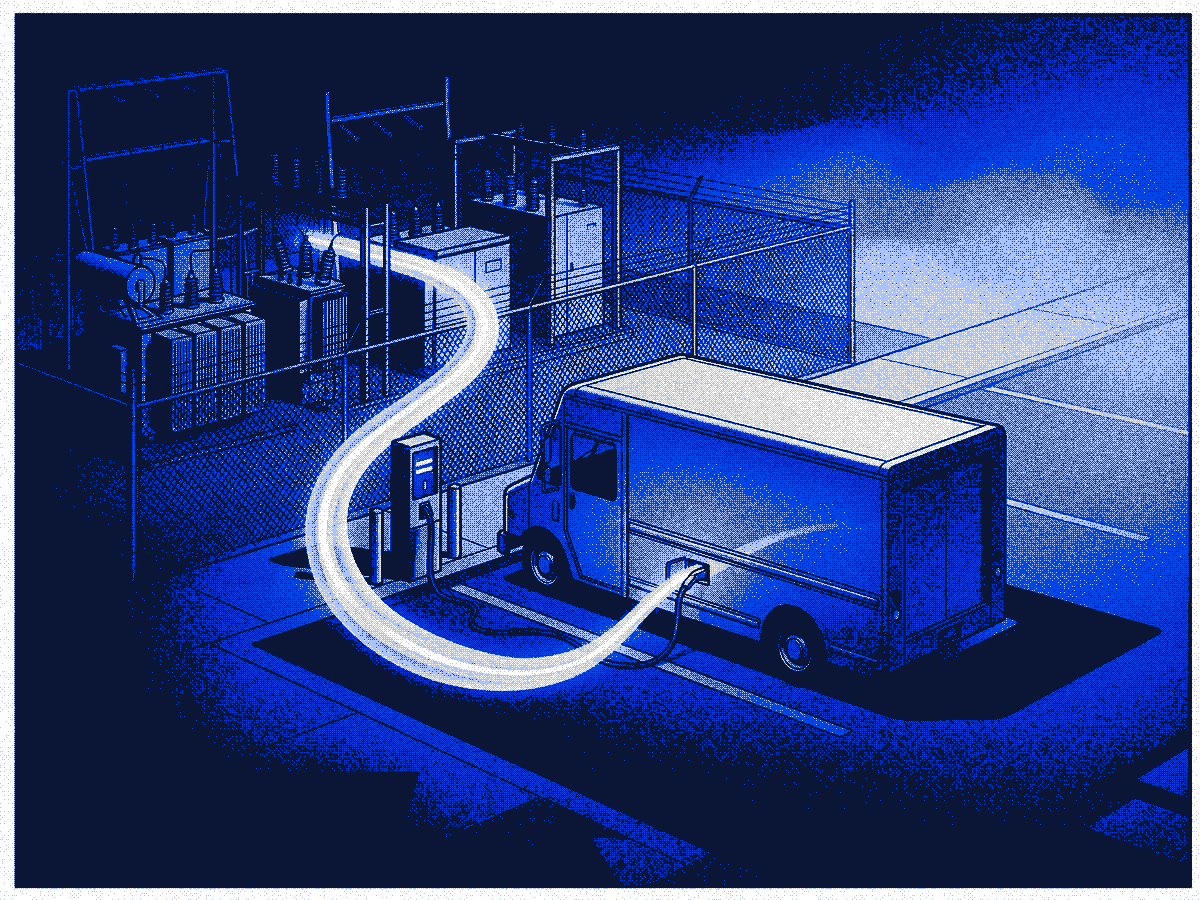
- Respect feeder and site constraints
- Measure delivered flexibility
02
Why DERMS matters
Distribution grids were built for power flowing one way, from substation to customer. With solar on roofs and batteries and chargers in garages, power flows both ways and peaks move. Without coordination, utilities have to limit new connections or upgrade equipment early.
Markets are opening to these resources too. FERC Order 2222 requires U.S. wholesale market operators to let aggregations of DERs take part, which needs software that can count on what each resource will deliver.
03
How DERMS works
A DERMS connects to resources directly or through aggregators and gateways, using protocols such as IEEE 2030.5, DNP3, OpenADR, SunSpec Modbus and OCPP. It keeps the resources’ state and capabilities current, often every few seconds to minutes.
An optimization layer then works out what each resource should do given forecasts, network or site limits, prices and program rules. Controls go out as schedules or setpoints, and the DERMS verifies the response against meter data.
01
Resources
Solar, batteries, chargers
02
Telemetry
State and capability
03
Optimization
Forecasts and limits
04
Controls
Limits, schedules, dispatch
04
How DERMS feeds Voltra
Voltra’s Edge DERMS runs on site on Voltra Edge, holds export and import limits even when the connection drops, buffers data until it can forward it, and uses the same device model as the cloud. Utility signals arrive over IEEE 2030.5, OpenADR or DNP3.
Learn more
Edge DERMS
Offline-safe control at the edge, with utility interfaces.
Learn more
Grid flexibility
Portfolio flexibility for grid programs.
05
Frequently asked questions
A virtual power plant aggregates DERs to act like one power plant in a market or program. A DERMS is the broader management system, often run by the utility, that monitors and controls DERs against grid limits. A VPP platform often includes DERMS functions, and a utility DERMS can coordinate several VPPs.
A DERMS, or part of one, that runs at or near the site, for example on a gateway, so control decisions are made locally, quickly and even without a cloud connection.
No. An advanced distribution management system (ADMS) runs the utility’s distribution network: switching, outages, voltage. A DERMS manages the resources connected to it. Many utilities integrate the two.
A 2020 rule from the U.S. Federal Energy Regulatory Commission requiring regional grid operators to let aggregations of distributed energy resources compete in wholesale electricity markets.