What is BMS?
Building management systemReviewed

A building management system (BMS) is the control system that runs a building’s mechanical and electrical equipment: heating, cooling, ventilation, lighting and often metering. It reads sensors, runs control sequences and schedules, raises alarms and gives operators one place to see and change how the building behaves.
- Also calledBuilding automation system (BAS)
- Main protocolsBACnet, Modbus, LonWorks, KNX
- Typical scopeHVAC, lighting, metering, alarms
- LayersField devices, controllers, supervisor
01
What BMS does
A BMS keeps a building comfortable and safe while using as little energy as it can. Controllers next to the equipment run local loops, such as holding a supply-air temperature or staging chillers, and a supervisory server ties them together with schedules, setpoints and alarms.
Operators use it to answer everyday questions: which zones are too warm, which air handler has failed, when the building starts up in the morning and what it is drawing right now.
Key functions
- Schedules occupied and unoccupied modes
- Holds temperature, pressure and air-quality setpoints
- Stages chillers, boilers, pumps and fans
- Raises and routes equipment alarms
- Trends points for diagnosis and reporting
- Reads sub-meters for energy reporting
02
Why BMS matters
Heating, cooling and lighting are usually the largest loads in a commercial building, and the BMS decides when they run. That makes it the main lever for cutting energy use, and the first system a utility program or an energy manager needs to reach.
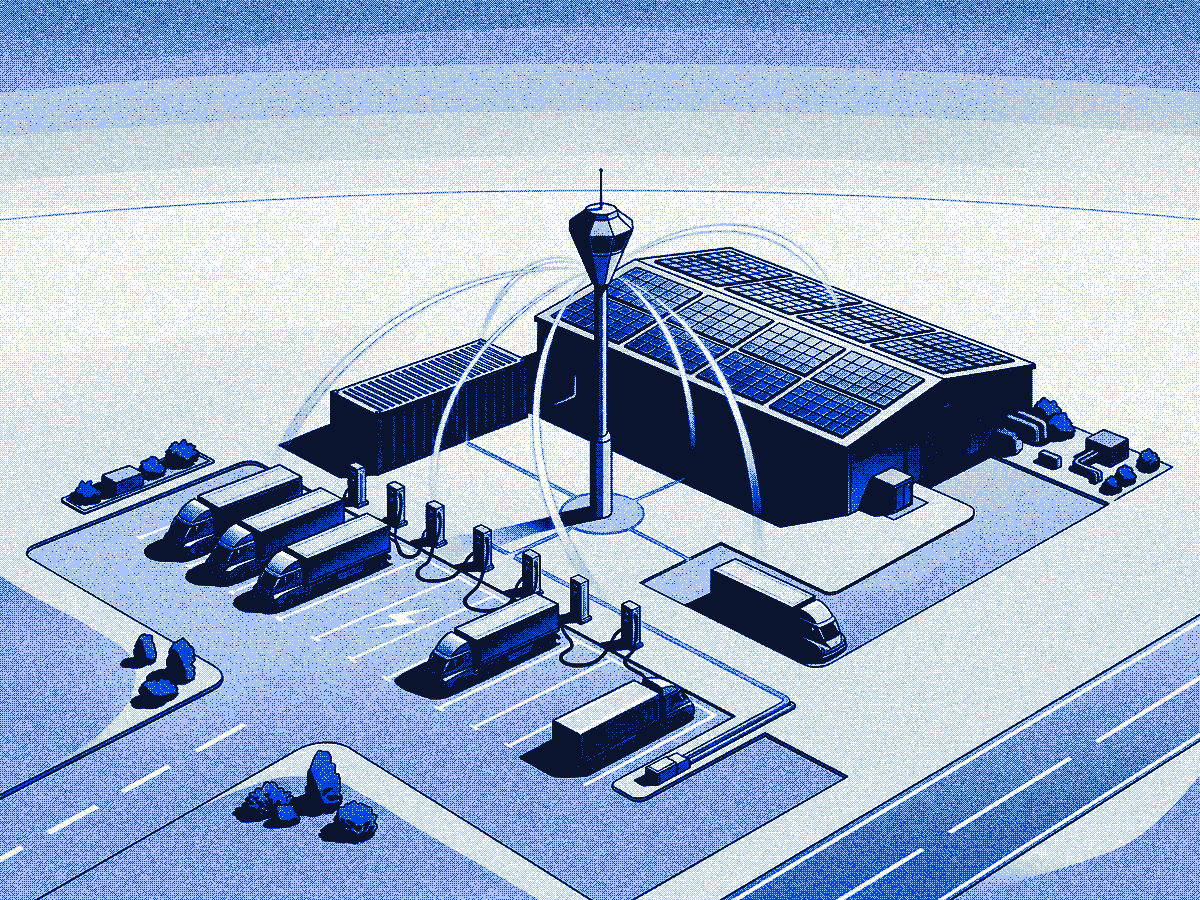
Most buildings now also have chargers, solar and batteries that the BMS was never designed to see. Without one view across both, a building can pre-cool at the same hour its chargers peak and set a new demand charge.
03
How BMS works
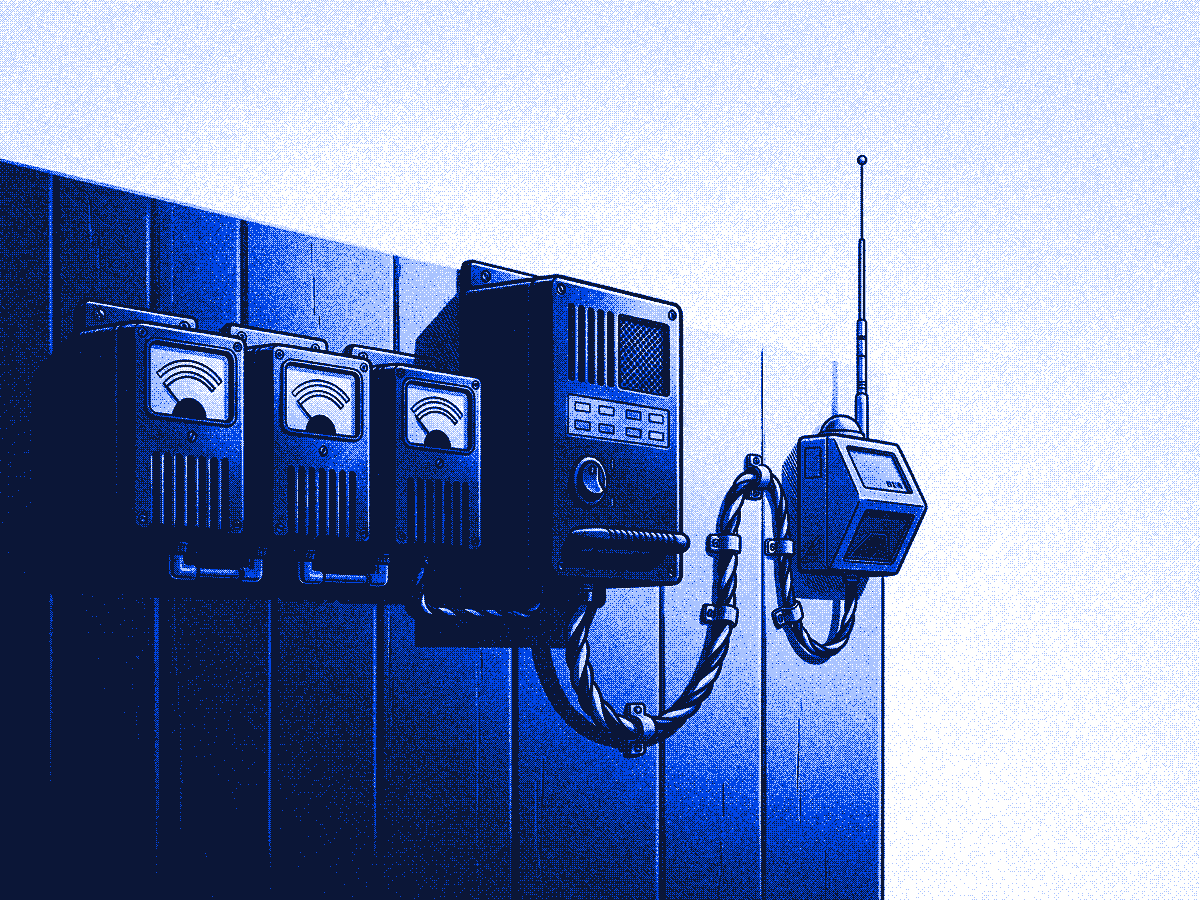
A BMS has three layers. Field devices measure and act: temperature sensors, valve and damper actuators, variable-speed drives. Controllers read those devices, run control logic and expose the results as points. A supervisory layer collects points from every controller, stores trends and presents graphics, schedules and alarms.
Controllers and the supervisor talk over building protocols. BACnet is the most common in commercial buildings; Modbus is common for meters, drives and plant equipment; LonWorks and KNX appear in older or European installations. Each value, such as a zone temperature, is a point with a name, a unit and, for outputs, a writable command.
01
Field devices
Sensors, actuators, drives
02
Controllers
Local control loops, points
03
Supervisor
Schedules, trends, alarms
04
Operators
Graphics and changes
04
How BMS feeds Voltra
Voltra reads a building’s BACnet points alongside chargers, solar and storage and maps them into one device model, so a single plan can see the HVAC load and the charging load at the same time. It reads beside the existing controllers rather than replacing them.
Learn more
BMS
BACnet discovery, one alarm list and schedules next to energy assets.
Learn more
Energy management
Plan building load, storage and charging against tariffs.
05
Frequently asked questions
In practice, yes. Building automation system (BAS) and building management system (BMS) name the same kind of system. Some people use BMS for the operator software and BAS for the controllers underneath it.
Yes, in batteries and vehicles BMS means battery management system: the electronics that monitor cell voltages and temperatures and protect a battery pack. This page is about buildings.
Mostly BACnet (ASHRAE Standard 135) between controllers and the supervisor, and Modbus for meters, drives and plant equipment. LonWorks and KNX appear in some buildings, and many vendors add their own protocols on top.
Yes. A demand response event usually arrives as a signal to the BMS or to software above it, which then raises setpoints, dims lighting or delays equipment for the event window and restores normal operation afterwards.