What is ISO 15118?
ISO 15118 vehicle-to-grid communication interfaceReviewed
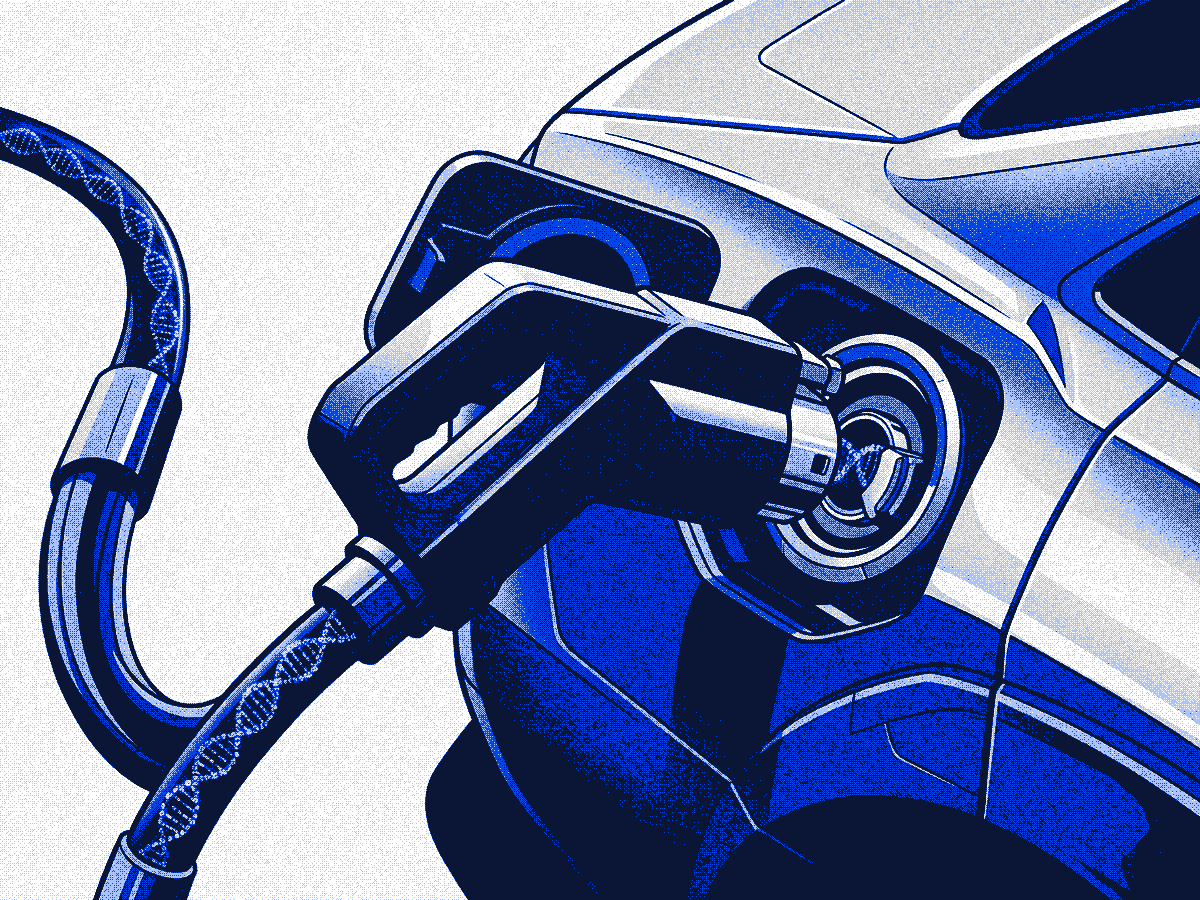
ISO 15118 is the international standard for digital communication between an electric vehicle and a charging station. It lets the car identify itself for Plug & Charge, share its energy needs and departure time, and agree a charging schedule with the charger. ISO 15118-2 (2014) is the first-generation application protocol; ISO 15118-20 (2022) adds bidirectional power and stronger security.
- Published byISO and IEC
- Key parts-2 (2014), -3, -20 (2022)
- Physical linkPowerline on the control pilot
- Best known forPlug & Charge
01
What ISO 15118 does
Without ISO 15118, a charger and car exchange little more than a pilot signal that says how much current is available. With it, they hold a full conversation: the car states who it is, how much energy it needs and when it leaves; the charger offers a schedule within the power it is allowed to draw; and both confirm each step.
Its best-known use is Plug & Charge. The car carries a contract certificate, and plugging in is enough to authorize and bill the session, with no card or app.
Key functions
- Plug & Charge with contract certificates
- Energy needs and departure time from the car
- Negotiated charging schedules
- TLS-secured vehicle-to-charger link
- Bidirectional power transfer (-20)
- AC, DC and wireless charging (-20)
02
Why ISO 15118 matters
Plug & Charge removes the most common failure at a public charger, authorization, and makes charging as simple as plugging in. It is also the foundation for smart and bidirectional charging, because the charger learns what the car needs and can plan around it.
Regulation is pushing it forward. In the U.S., the federal NEVI minimum standards (23 CFR 680) require funded chargers to have ISO 15118 hardware and to support Plug & Charge, and in Europe the standards adopted under the Alternative Fuels Infrastructure Regulation (AFIR) reference ISO 15118-20 for new public chargers.
03
How ISO 15118 works
The car (the EV communication controller) and the charger (the supply equipment communication controller) talk over HomePlug Green PHY powerline communication on the control pilot wire, defined in ISO 15118-3. Over that link they run IPv6, TLS and an XML-based message set, compressed with EXI.
For Plug & Charge, a public key infrastructure issues certificates: a root for the charging ecosystem, certificates for chargers and contract certificates installed in cars. The charger forwards certificate requests and authorizations to its back office, which is where OCPP 2.0.1 carries them.
01
Vehicle
Contract certificate, needs
02
Powerline link
TLS over Green PHY
03
Charger
Schedules and authorization
04
Back office
OCPP 2.0.1 to the CSMS
04
How ISO 15118 feeds Voltra
ISO 15118 runs between the car and the charger; the charger then reports the session to Voltra over OCPP 1.6J or 2.0.1. Voltra sees the result, the authorization, power and energy of each session, and applies the site’s pricing, access and load limits to it.
Learn more
EV charging
Sessions, pricing and access over OCPP.
Learn more
CSMS
Run a charging network on open protocols.
05
Frequently asked questions
A way to start and pay for charging just by plugging in. The car presents a contract certificate over ISO 15118, the charger verifies it with its back office and the session is billed to the driver’s account automatically.
ISO 15118-2 is the first-generation protocol for AC and DC charging and Plug & Charge. ISO 15118-20 is a new version that adds bidirectional power transfer, wireless charging and stronger security with TLS 1.3. They are not interoperable, so cars and chargers support one or both.
No. ISO 15118 connects the car to the charger; OCPP connects the charger to its management software. Plug & Charge needs both.
An earlier German specification for DC charging communication that most CCS cars and chargers still support. It is a precursor to ISO 15118-2 and does not include Plug & Charge.