What is demand response?
Demand response (DR)Reviewed

Demand response is when electricity customers change how much power they use, reducing, shifting or sometimes increasing load, in response to a price or a request from a utility or grid operator, usually in exchange for payment or a lower rate. It lets the grid balance supply and demand by adjusting load instead of only by running more power plants.
- Program typesIncentive-based, price-based
- SignalsEvents, prices, dispatch
- Common protocolsOpenADR, IEEE 2030.5
- Paid forCapacity, energy, availability
01
What Demand response does
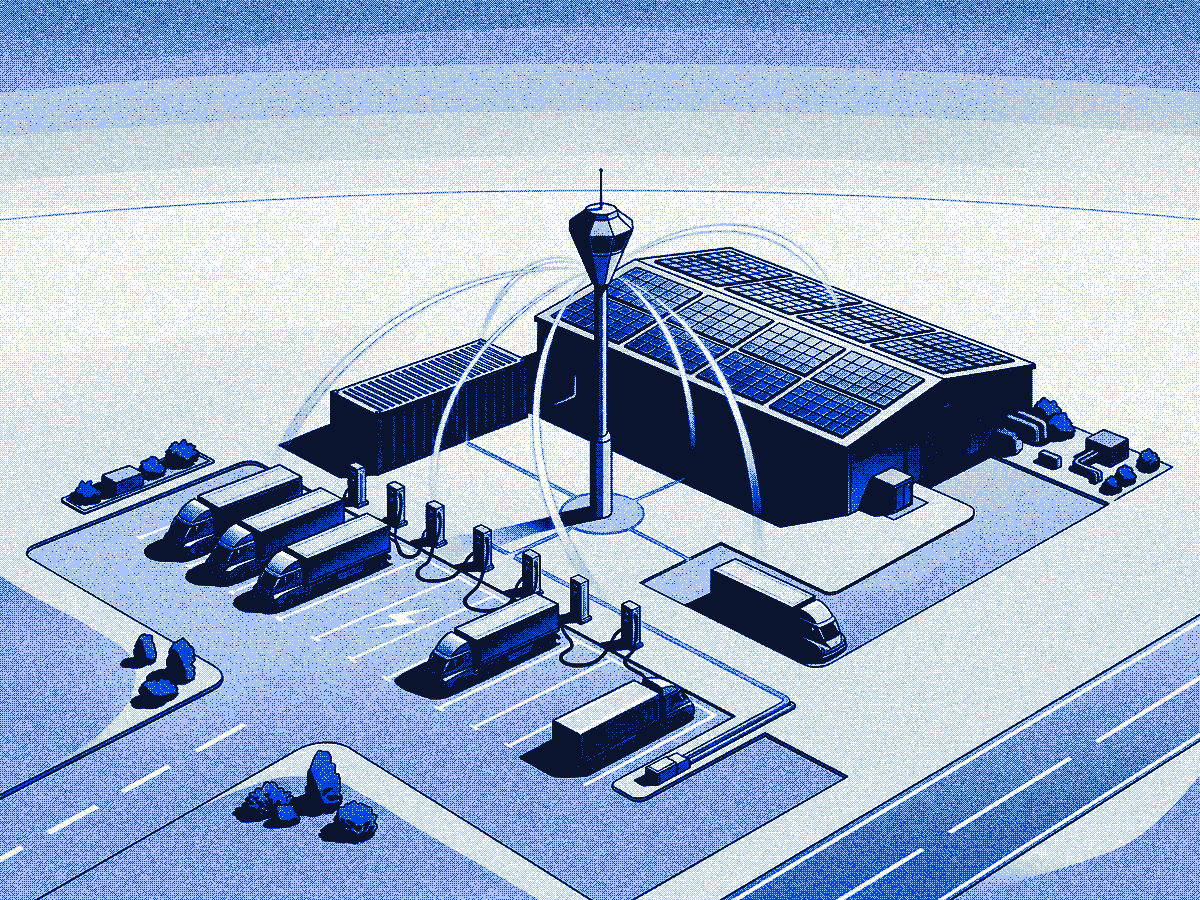
On a hot afternoon or a cold morning, demand can approach what the grid can supply. A demand response program asks enrolled customers to cut or shift load for a few hours: pre-cool a building and let the temperature drift, pause or slow vehicle charging, discharge a battery or delay an industrial process.
Price-based programs work without events. Time-of-use, critical peak and real-time prices make power cheaper or dearer by the hour, and customers shift load to the cheaper hours on their own.
Key functions
- Reduces peak load on the grid
- Pays customers for capacity and events
- Lowers bills through time-varying rates
- Uses existing equipment as a resource
- Can respond in seconds to hours
- Measured against a baseline
02
Why Demand response matters
Meeting the last few hours of peak demand with power plants is expensive, because those plants sit idle most of the year. Load that can move is often cheaper, and with chargers, batteries and smart thermostats there is far more of it than there used to be.
For a site, demand response is income from equipment it already owns, plus lower demand charges. For the grid it is capacity that can be added without building a plant or a new line.
03
How Demand response works
A customer enrolls in a program with a utility, a grid operator or an aggregator that bundles many customers. When an event is called, a signal arrives, often over OpenADR, and the site’s controls respond for the event window.
Performance is measured against a baseline, an estimate of what the site would have used without the event, usually built from its load on similar recent days. The difference between baseline and actual load is what the customer is paid for, and missing a commitment can carry a penalty.
01
Event or price
Utility, ISO or aggregator
02
Signal
OpenADR, IEEE 2030.5, API
03
Site response
HVAC, chargers, batteries
04
Settlement
Actual load vs baseline
04
How Demand response feeds Voltra
Voltra handles program events across a portfolio of sites, plans each site’s response so it stays inside its own electrical limits, honors customer opt-outs and measures baselines and performance from the site’s meters.
Learn more
VPP
Portfolio view, event handling, baselines and opt-outs.
Learn more
Grid flexibility
Earn from flexibility in grid programs.
Learn more
EMS
Grid program events in the site’s energy plan.
05
Frequently asked questions
An estimate of how much power a site would have used during an event if it had not responded, typically calculated from its load on a set of similar recent days, sometimes adjusted for the day’s conditions.
Demand response is the action: changing load when asked. A virtual power plant is a way to organize many resources, including demand response, batteries and generation, so they can be dispatched together like one plant.
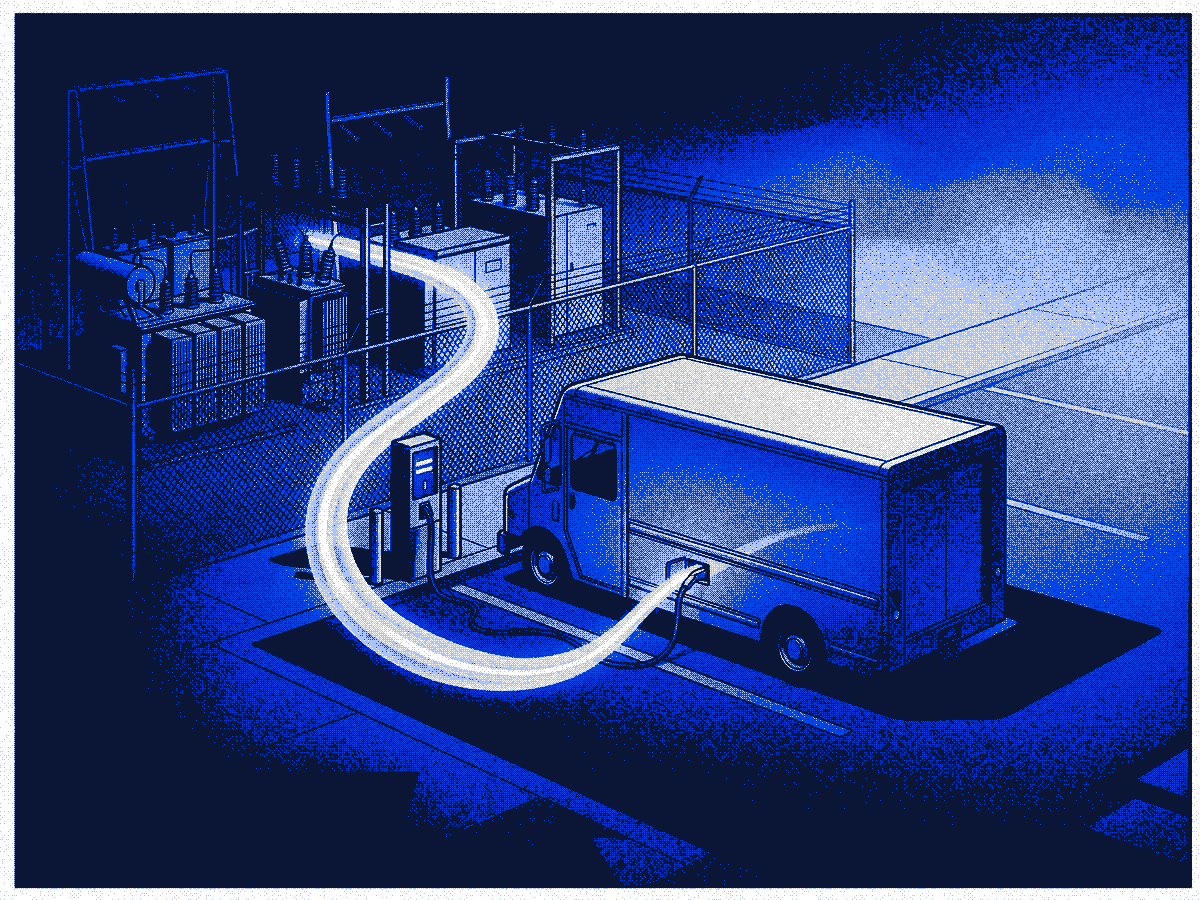
Yes. Charging can often be slowed or delayed for an event without affecting drivers who leave hours later, which makes charging sites a good fit for programs.
Utilities, regional grid operators such as ISOs and RTOs, and aggregators that enroll customers and bid their combined flexibility into programs or markets.