New Revenue From Amenities
EV charging and energy services can be offered as paid amenities or included in premium leases. Infrastructure that was pure cost becomes a source of income or competitive differentiation.
/infrastructure
/ai
One core under every product: connect, model, coordinate and prove.
How Fabric works/optimize
Four products on one platform. Start with the one you need; the next one uses the devices and data you already connected.
All products/energy & grid
/facilities & industry
/platform
Find what you run by name. Every solution runs on the same platform, so they share devices, data and one model of your site.
All solutionsSelect your industry to see how Voltra fits for you.
All industriesFor Building and Property Operators
01 Challenge & Solution
Challenge
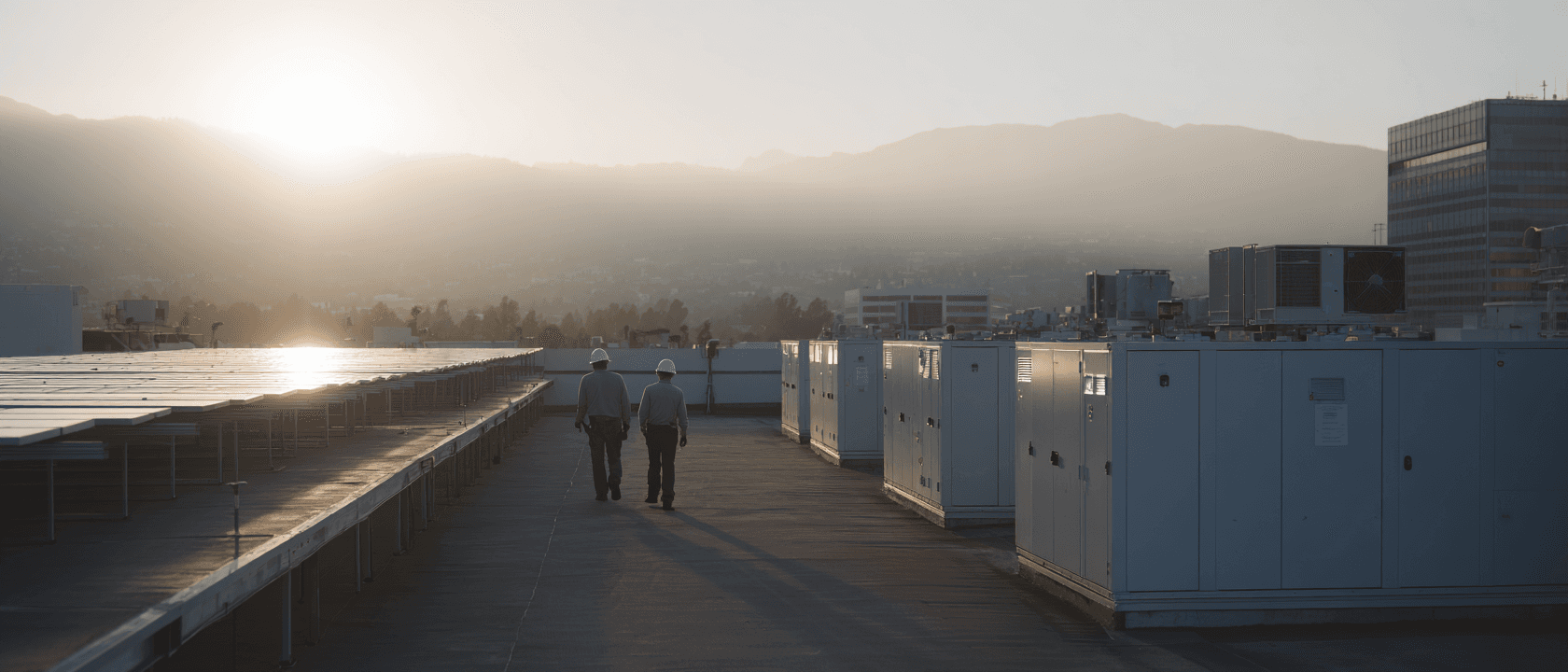
Property managers and building operators are under pressure to install EV chargers, solar, and battery systems to meet tenant demands, sustainability targets, and regulatory requirements.
Once installed, this infrastructure becomes another system to manage—tracking usage, handling payments, responding to faults, and coordinating with utilities. Most operators lack the tools and expertise to run energy assets alongside their core property operations.
Solution
This unlocks the ability to offer energy infrastructure as a building amenity without building an operations team around it. Property managers can deploy chargers, solar, and storage with centralized visibility, automated billing, and proactive maintenance—all without deep energy expertise. Tenants get modern amenities; operators stay focused on running buildings.
02 Products
Each runs on the same platform. Start with one and add the next when you need it.
Batteries, solar and loads, run as one system.
Learn moreRun chargers from any maker on one network.
Learn moreEnroll flexible load and answer grid events.
Learn more03 Competencies
Competencies
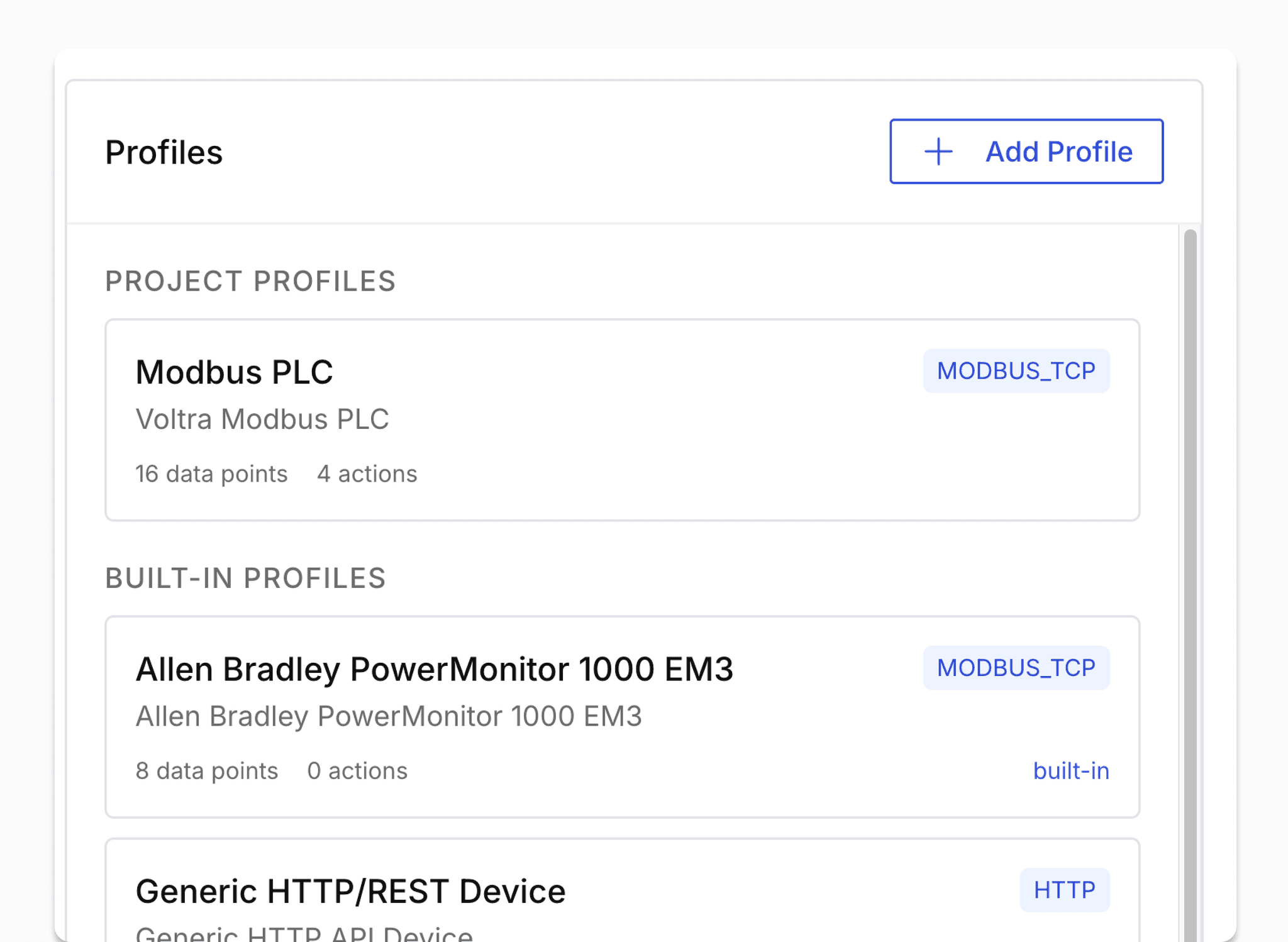
Chargers, solar systems, and batteries across a portfolio can be monitored from a single view. Usage, uptime, and performance data flows into one place regardless of hardware vendor or site configuration. Issues surface before tenants complain or equipment sits idle.
Charging sessions and energy usage can be metered, priced, and billed automatically to tenants or users. Payment collection, reporting, and reconciliation happen without manual tracking. Energy amenities become revenue-generating or cost-neutral instead of pure overhead.
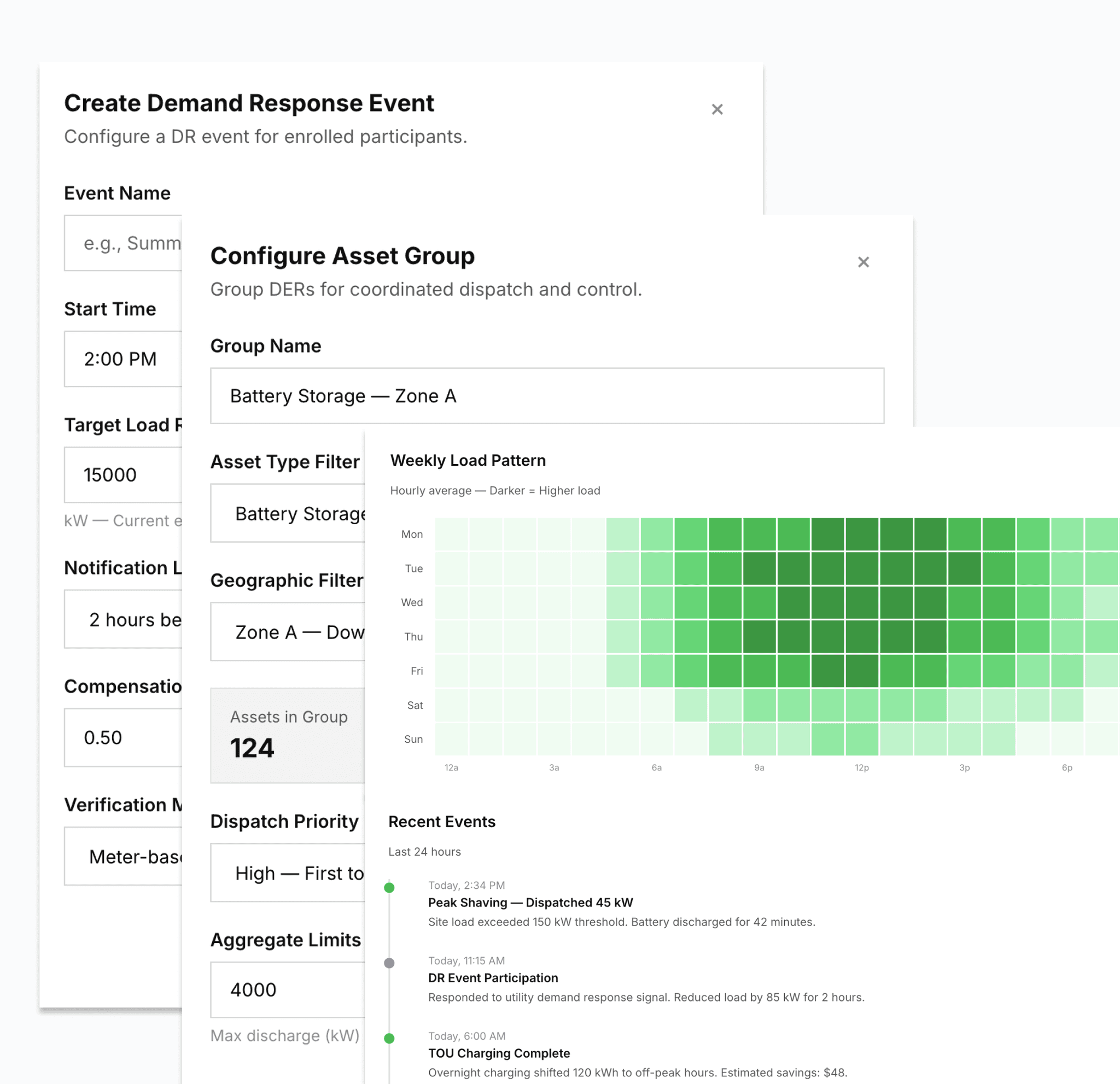
Faults, connectivity issues, and underperformance are detected and surfaced automatically. Service requests can be dispatched before problems escalate. Amenity uptime stays high without constant hands-on monitoring.
04 Impact
IMPACT
EV charging and energy services can be offered as paid amenities or included in premium leases. Infrastructure that was pure cost becomes a source of income or competitive differentiation.
Centralized monitoring and automated billing eliminate the need for site-by-site management. Property teams handle energy infrastructure the same way they handle other building systems—through a single pane of glass.
Reliable, well-managed amenities improve tenant experience and retention. Buildings with functional EV charging and modern energy infrastructure attract and keep tenants more effectively.
All of the chargers, solar inverters, batteries, and meters already installed can be brought into a single management layer without replacing hardware or renegotiating vendor contracts. Existing infrastructure investments are preserved while operations are unified.
This commonly includes EV chargers across major brands, rooftop and carport solar systems, battery storage, and building management systems already used for HVAC and lighting control.
05 Under the hood
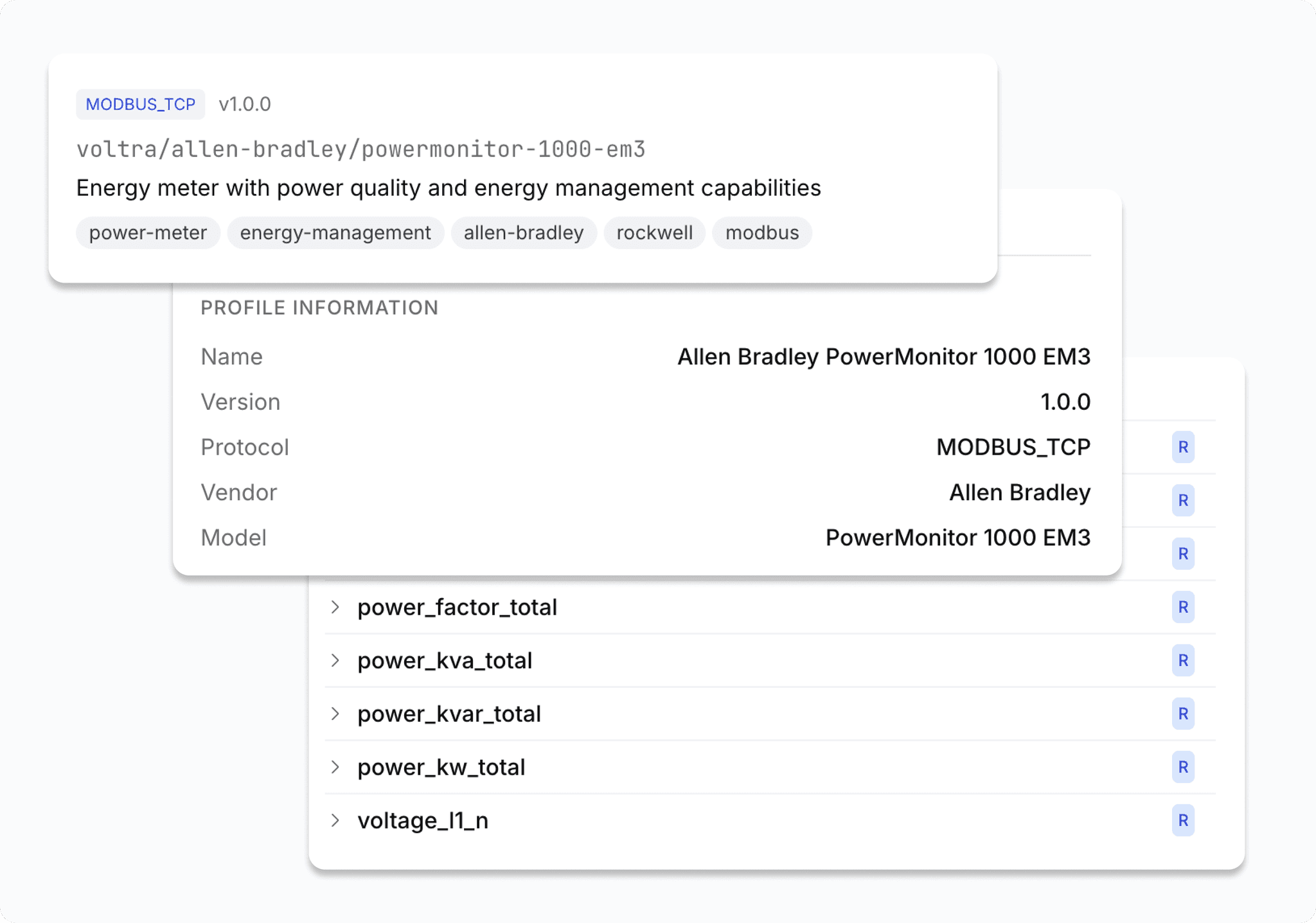
Connectors live in the platform, so every product gets them.
Modbus
TCP & RTU
BACnet/IP
Building systems
OCPP
EV chargers
SunSpec
Inverters
MQTT
Sensors & brokers
DNP3
Utility gear